Yingkou Bohai Rice Industry invested RMB 30 million in a digital upgrade of its rice mill, the Yingkou Agriculture and Rural Affairs Bureau reported on 24 November. The Liaoning company connected operations from paddy intake and milling through colour sorting, quality checks, bagging and palletising. The bureau said the factory had been recognised under Liaoning’s advanced smart-factory programme.
Yingkou’s industry bureau published an earlier account of the retrofit that described batch-level records from growing to dispatch. It also described automated scheduling based on orders and factory conditions. The published profiles give buyers a starting point for questions about lot records and testing. Neither supplies a certificate of analysis for a particular shipment.
Trace the bag back to the mill run
Ask for records from a sample bag so the supplier can show how the code on the pack connects to the mill run, the raw paddy lots and the test results. For private-label orders, agree how the supplier will mark a lot when several paddy lots feed one mill run and how it will identify a change in source during a large order.
Start the product comparison with the variety, crop year, moisture, broken-grain tolerance and pack weight. A supplier that can link those requirements to a sample lot gives the buyer a record to check against later deliveries.
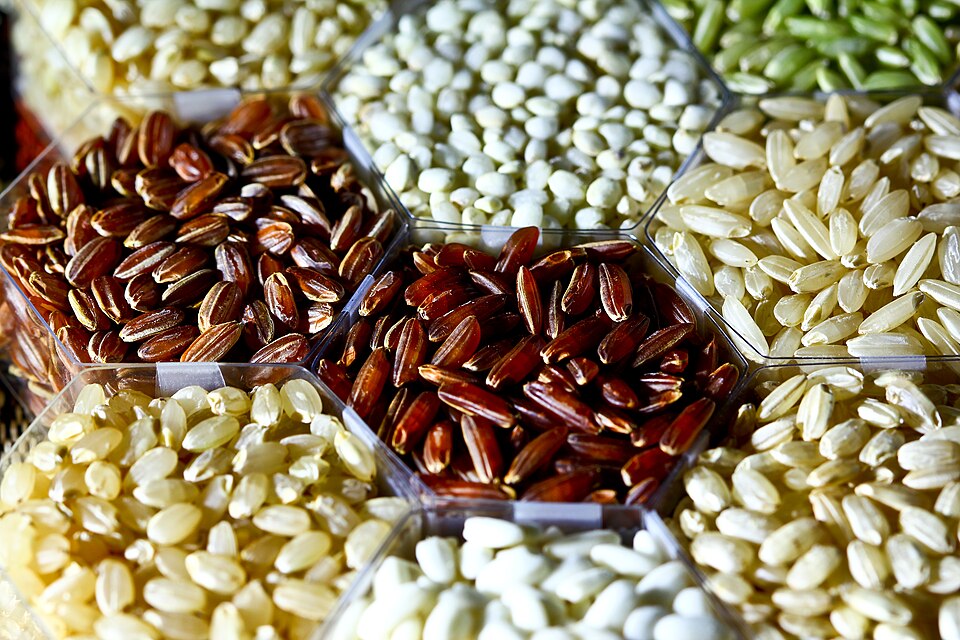
Rice grain samples illustrate the variation buyers can compare before approving a lot.
Further reading
- Yingkou Agriculture and Rural Affairs Bureau
- Yingkou Industry and Information Technology Bureau case study
Researched and written with AI assistance; references are listed for verification.
Browse suppliers for rice milling equipment on Made-in-China.com
Explore coarse cereals & preparations