FAO’s 19 November Food Outlook forecasts the first decline in world rice production in four seasons. The agency expects output to fall short of use and points to weaker producer margins and adverse weather associated with El Niño. Large stocks carried over from earlier seasons could still keep global rice reserves at their second-highest level on record.
FAO also expects world rice trade to expand in 2027. That differs from its forecast for total cereal trade in 2026/27, which it expects to contract by 3.3%, largely because of lower wheat shipments. Traders comparing the two measures should keep both the commodity and the reporting period attached to the number.
Availability depends on the rice being bought
For a rice flour or convenience food manufacturer, the next step is an origin-specific check. Ask mills which varieties and production lots can meet the requested specification, when those lots can ship and which quality measures are included in the offer. A high global stock figure gives little information about how much of an individual grade an exporter can deliver in a given month.
The November report is a forecast. Buyers can use it to decide which origins merit a fresh quotation, then compare the delivered offers against the same quality and timing requirements.
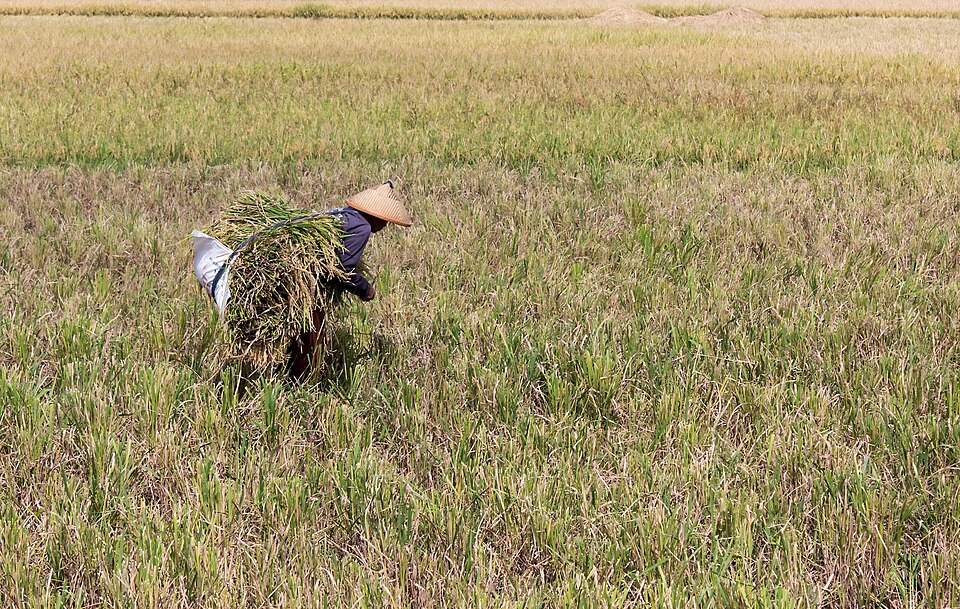
Rice being harvested in a paddy, illustrating the crop covered by the FAO outlook.
Further reading
Researched and written with AI assistance; references are listed for verification.
Browse suppliers for coarse cereals and preparations on Made-in-China.com
Explore coarse cereals & preparations