Kaizen Food launched its Original Couscous on 19 November. The U.S. company uses flour from lupini beans to make a product intended for the same dishes as traditional semolina couscous. Kaizen reports 20 grams of plant protein per serving and is selling the product in multi-pack bundles through its own website.
The launch extends a pantry range that already includes pasta, a rice alternative and macaroni and cheese. Couscous introduces a different performance problem for a flour-based substitute. The cooked grains have to separate for a cold salad and still stay tender enough to serve hot under a stew.
A useful product comparison begins at the stove. Equal dry weights of two couscous products can yield different cooked weights and serving sizes. A buyer can compare water uptake, how easily the grains separate after resting and how they hold up after cooling or reheating. When comparing nutrition claims against a semolina product, aligning the weight basis and preparation state makes the figures easier to interpret. The ingredient declaration also matters when the new format is offered next to conventional couscous.
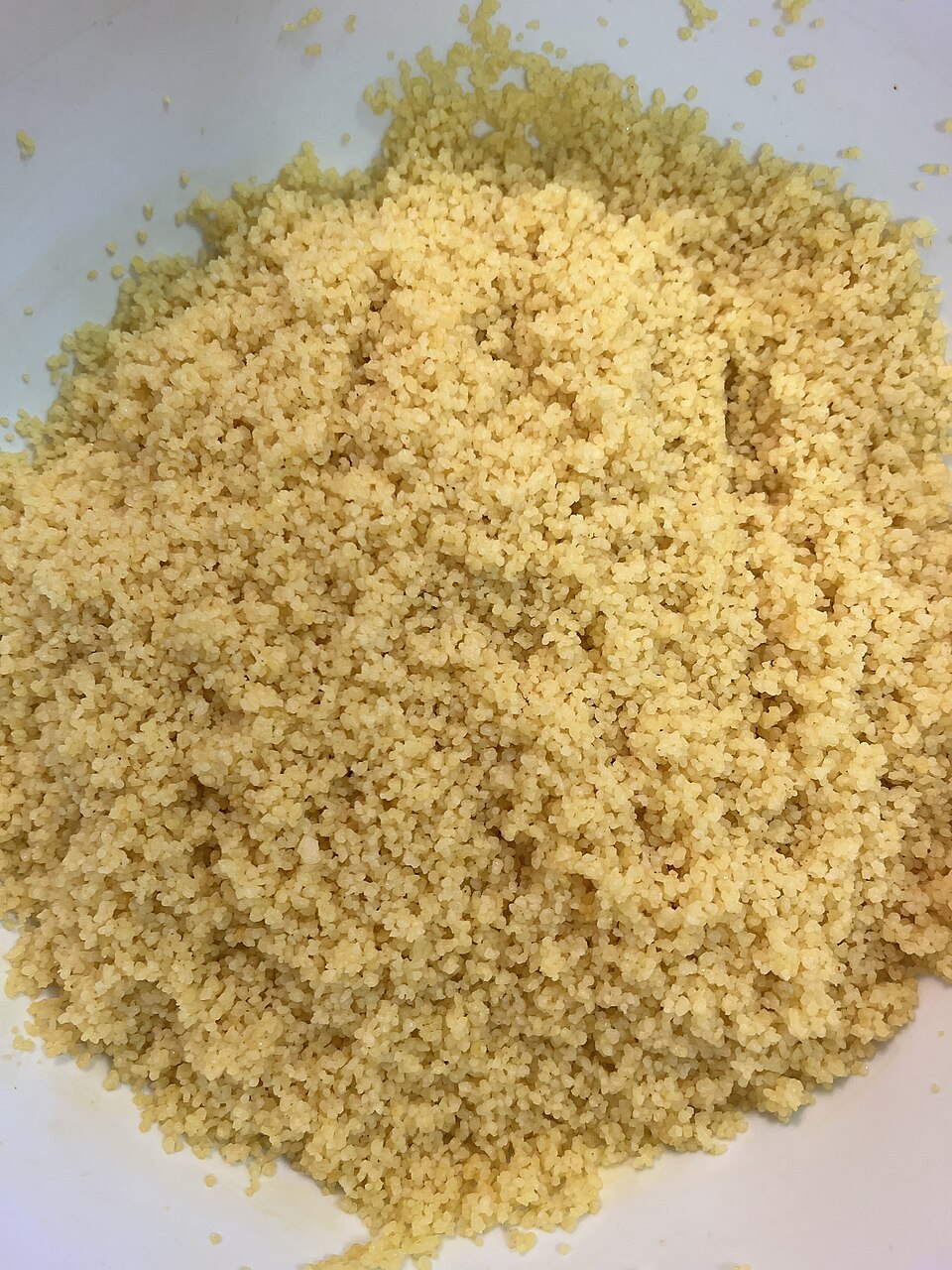
Prepared couscous illustrating the grain shape and texture familiar to shoppers.
Further reading
Researched and written with AI assistance; references are listed for verification.
Browse suppliers for coarse cereals and preparations on Made-in-China.com
Explore coarse cereals & preparations