Chenguang Biotech’s 27 October third-quarter report includes a distinct growth story in spice extracts. For January–September, Sichuan-pepper extract volume rose 32.24% year on year and revenue increased 33.40%, according to the Chinese filing.
Black-pepper extract volume increased 150%, while revenue grew 141.77%. These figures concern different extract categories and should not be combined into a growth rate for whole peppercorns or the wider spice market.
The data also describe the first nine months, rather than the third quarter alone. Keeping both the product and period visible is necessary when using the disclosure in a supplier comparison.
Ask for the extract’s function
For seasoning manufacturers sourcing from China, the next question is the exact preparation offered for the intended recipe. A raw spice, an extract and a formulated dispersion are different commercial materials even when they share a familiar flavour name.
A sample request can identify the desired sensory profile, concentration basis, carrier and application conditions. Agree the analytical method and acceptance criteria before comparing prices across grades.
Sales growth does not independently establish a performance improvement or a lower delivered cost. Chenguang’s update provides evidence of business activity in these categories; qualification still requires the specification and application evidence for the actual ingredient. That keeps a useful commercial signal connected to a meaningful buying task.
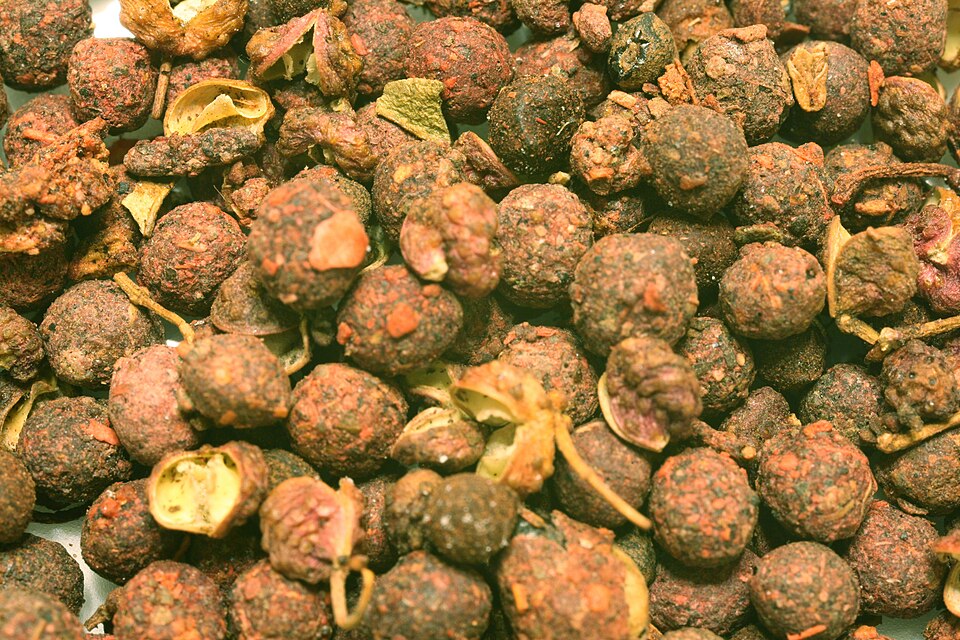
Sichuan peppercorns as a raw-material illustration; not a Chenguang extract or manufacturing sample.
Further reading
Researched and written with AI assistance; references are listed for verification.
Browse suppliers for sap and extracts on Made-in-China.com
Explore extracts