“Orange peel extract” does not, by itself, tell a buyer what the product contains or how it was made. Specify the botanical material, extraction process, formulation and batch evidence you need—and confirm that the supplier’s product is suitable for your intended food application and market.
Define the ingredient before requesting quotes
Ask suppliers to identify the material precisely:
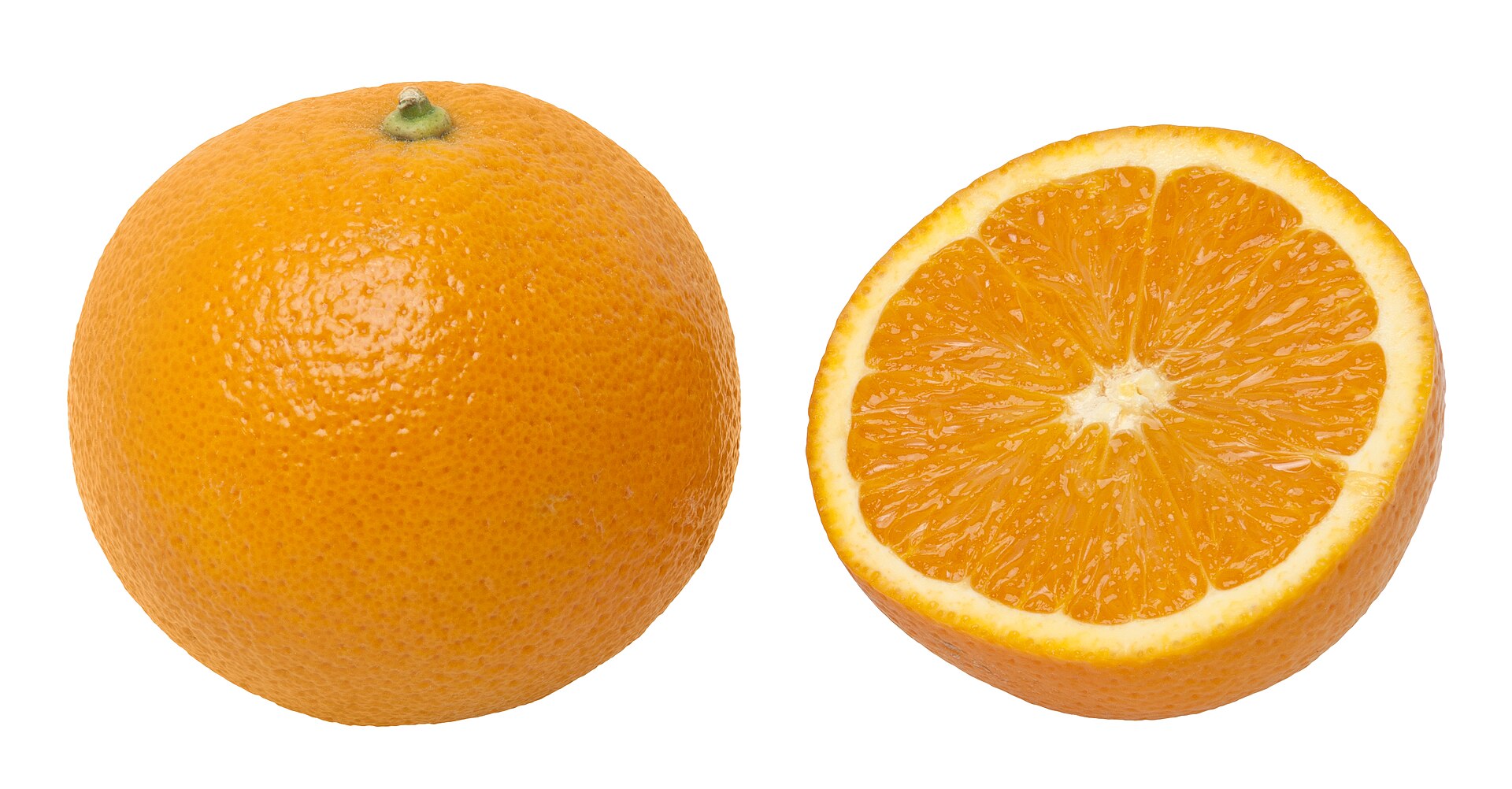
- Botanical name: Request the scientific name, not just “orange.” One ingredient reference describes sweet orange peel extract as coming from Citrus sinensis; its entry specifies fresh epicarps from Valencia orange. Treat that as an example of the detail to seek, not as a definition of every product sold under the name “orange peel extract.” (The Good Scents Company)
- Plant part and condition: Confirm peel, and whether it is fresh or dried. Ask whether the quoted product includes any other plant material.
- Product form: Establish whether the product is a liquid extract, a concentrated extract, a dried extract or another form. Do not assume that an extract and an orange peel oil are interchangeable.
- Intended use: State the food or beverage application and target market. Ask the supplier to provide documentation for that specific use; a product listing alone does not establish food suitability or regulatory acceptance.
These details matter because products sold with similar names can have different formulations. For example, Forest & Meadow lists Citrus sinensis peel with grape and apple alcohol, water and vegetable glycerin, and gives different ratios for fresh and dried herb. Herbalist & Alchemist lists a 1:4 orange peel extract with alcohol and water. These are supplier descriptions, not evidence that either product is suitable for a particular food application. (Forest & Meadow; Herbalist & Alchemist)
Make the process and composition explicit
For a comparable quote and a usable specification, request:
- Extraction solvent or solvents, including whether any remain in the finished product.
- Processing description, such as the extraction and concentration steps relevant to the product supplied.
- Extract ratio and basis, with a clear explanation of what the ratio compares and whether it refers to fresh or dried peel.
- Carriers and other components, including water, alcohol, glycerin or any standardising or processing ingredients.
- Concentration or standardisation details, if applicable, including the parameter used and the range the supplier guarantees.
- Physical form and handling requirements, such as storage conditions and any stated shelf life.
Do not compare ratios across suppliers until they confirm that the figures use the same basis and calculation. A ratio in a retail herbal extract listing, for example, does not on its own establish the concentration or composition of a food-ingredient extract.
Request specifications and batch-specific records
Before purchase, agree on the product specification and the evidence that will accompany each lot. A practical request includes:
- Technical specification: ingredient identity, composition, physical form, agreed limits and storage conditions.
- Batch-specific certificate of analysis (CoA): the lot number, results for agreed parameters, applicable limits, test methods and the date of analysis. Request actual results where needed, rather than relying only on a general statement that the product meets specification.
- Traceability information: lot identification and the supplier’s information on material origin and manufacturing site.
- Risk-relevant test documentation: agree with the supplier which microbiological, chemical or other tests are relevant to your ingredient, process and destination market. Request the results for the relevant lot; do not assume a test was performed if it is not documented.
- Change control: ask how the supplier notifies customers of changes to botanical source, extraction, formulation or manufacturing site.
Set acceptance criteria with your quality team before ordering. A CoA is only useful for a purchasing decision if its results relate to the product and limits you actually require.
Check claims and market suitability separately
Ask the supplier to identify the intended product category and provide supporting documentation for your target market. Do not infer food-use status from a cosmetic, fragrance, supplement or herbal retail listing. Likewise, a botanical name or a reference-database entry is not, by itself, proof of current authorization in a particular jurisdiction.
If a supplier offers an organic, natural or other certification claim, request the certificate and check that its scope covers the relevant product, site and market. The product pages cited above illustrate why buyers should examine the full formulation and intended use rather than rely on the words “orange peel extract” alone.
Further reading
Researched and written with AI assistance; references are listed for verification.