Chenguang Biotech’s third-quarter report gives two different views of its lutein business. In the Chinese filing released on 27 October, food-grade lutein sales volume rose 63.86% year on year in the first nine months, while revenue increased 40.74%.
Ordinary-grade lutein followed a different pattern. The company reported a 53% year-on-year volume recovery in the third quarter, but cumulative nine-month volume remained 3.8% lower. The quarterly rebound therefore should not be described as the same growth rate for every grade or the whole year.
The distinction matters for buyers assessing China’s extract supply. A category’s revenue trend does not establish the delivered price, availability or qualification status of a particular formulation.
Keep grade and application together
A useful enquiry identifies the intended food, ingredient form and required concentration before comparing offers. Ask the supplier to connect its quotation with the relevant specification and supporting analytical method.
The growth figures are company sales measures. They do not measure clinical efficacy, the performance of every encapsulated preparation or global demand for all lutein ingredients.
For application teams, sample evaluation remains a separate step: assess the offered preparation in the actual recipe and packaging system. The report indicates commercial momentum in one part of Chenguang’s portfolio while also showing why broader lutein figures need careful qualification. Both the time period and product grade belong beside any quoted growth rate.
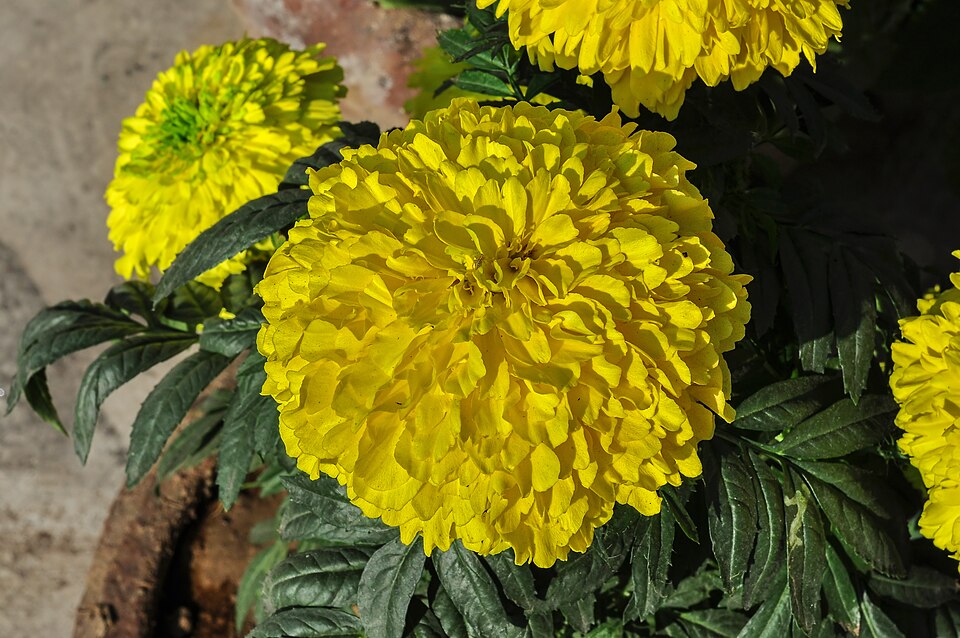
Tagetes erecta marigold flowers; not a Chenguang growing site or a finished lutein ingredient.
Further reading
Researched and written with AI assistance; references are listed for verification.