Angel Yeast outlined several applications for its food-grade protease Prokey S-03 in a Chinese technical update dated 13 November. The supplier positions the enzyme across savoury processing, peptone preparation and peptide ingredients, rather than limiting it to one protein source.
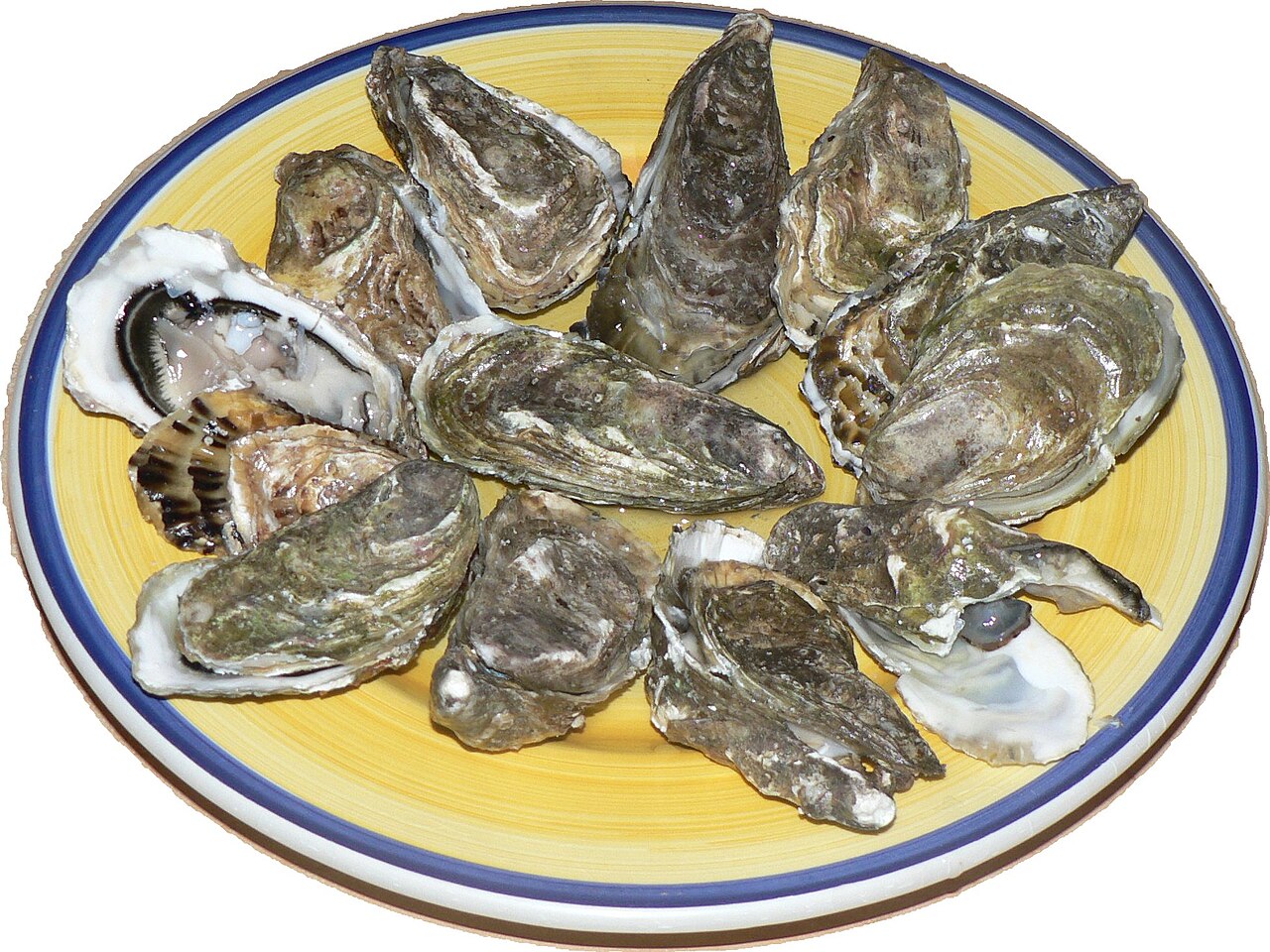
The examples include animal and plant proteins. In oyster processing, Angel describes hydrolysis as a way to recover more protein-derived material for flavour ingredients than conventional cooking alone. It also discusses using dairy, aquatic and plant materials to prepare nitrogen sources for fermentation.
These are supplier application statements. The announcement does not establish a universal yield improvement, processing time or finished-product specification for every substrate.
Start with the raw material
For a processor sourcing enzymes from China, the useful first distinction is between an enzyme’s stated activity and the performance of the full process. A different substrate, pretreatment or operating condition can require a different trial design.
Ask the supplier to identify the commercial preparation, activity method and supporting application data. A pilot should record the incoming material, process conditions, resulting flavour and recovery measurements, with a suitable baseline for comparison.
The target product also matters. A savoury hydrolysate, fermentation peptone and peptide ingredient serve different customers and need different acceptance criteria. The update expands the range of possible technical discussions; qualification still belongs to the specific process and intended market.
Opened oysters as a protein raw-material illustration; not an Angel enzyme trial.
Further reading
Researched and written with AI assistance; references are listed for verification.