Tate & Lyle’s 5 November half-year statement reports a return to volume-led revenue growth for the six months ended 30 September 2026. Revenue reached GBP 1,039 million, while volume/mix increased 3% and adjusted revenue growth was 1% on the company’s constant-currency basis.
Adjusted EBITDA declined 8% to GBP 197 million. The release also says consolidation of bio-gums production capacity is progressing. Growth and profitability therefore tell different parts of the operating story; stronger ingredient volumes do not automatically indicate higher margins or lower customer prices.
The company continued to expect the recommended Ingredion acquisition to complete in the second half of calendar 2027, with regulatory and antitrust filings in progress. Shareholder approval should not be read as completed ownership.
Check the specific hydrocolloid supply
For additive buyers, capacity consolidation is a reason to ask where a particular grade will be made and how continuity will be managed. The group announcement does not establish that any individual customer’s specification, lead time or production location has changed.
Comparisons also need consistent definitions. Volume/mix combines the amount and composition of ingredients sold; it is not a count of identical units. Adjusted earnings and statutory profit should retain their respective labels.
A useful supplier discussion can connect the financial update with a concrete material brief: required functionality, approved manufacturing site, qualification evidence and delivery schedule. Any commercial change still needs confirmation for the exact grade being purchased.
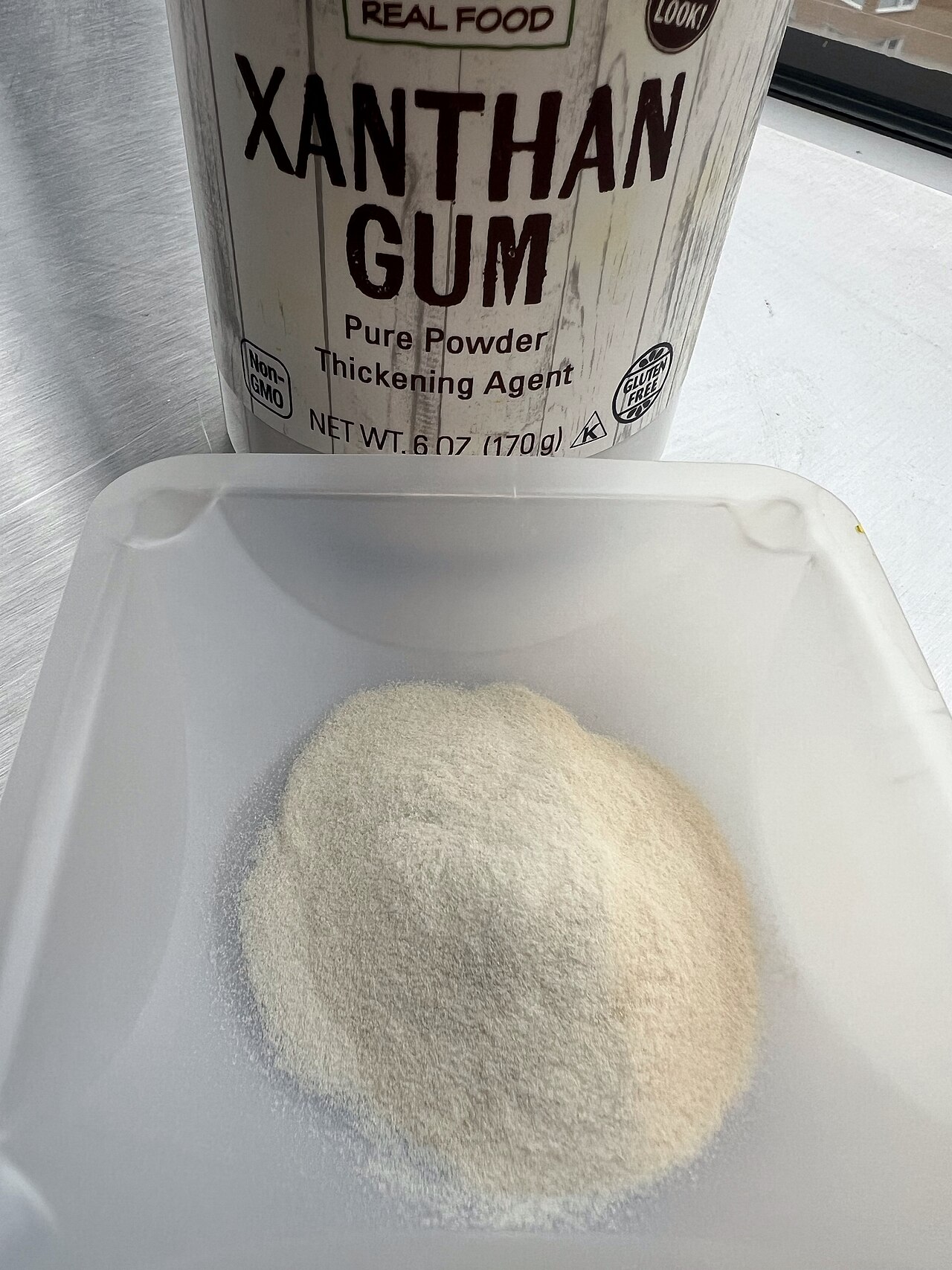
Packaged xanthan gum and powder; a hydrocolloid illustration, not a Tate & Lyle product.
Further reading
Researched and written with AI assistance; references are listed for verification.