Verallia presented a 105-gram, 200-millilitre glass bottle at its 18 November capital markets day. The My Air bottle features in a range designed for food and non-alcoholic beverages. The company’s presentation also indicated a 250-millilitre version was planned. Verallia put product design alongside manufacturing capabilities in its strategy for serving more food and non-alcoholic drink customers.
The presentation gives the weight of the 200-millilitre bottle. A buyer still needs the closure, secondary packaging and pallet configuration to compare shipping weight for a filled product. The right specification also depends on the filling and handling conditions.
Qualify the bottle on the filling line
For a like-for-like comparison, request the technical drawing and finish dimensions for the chosen bottle, the corresponding closure and the filled case weight. Run candidate packs through filling, capping and labelling with the same product temperature and normal line settings. Include transport and storage conditions in the trial so the buying team can assess the full pack.
For carbonated or hot-filled drinks, confirm suitability with the bottle and closure suppliers before trialling. Compare the glass weight savings alongside case count, closure compatibility and the observed condition of the bottles at receipt. These checks let a buyer assess the proposed bottle as part of the finished pack.
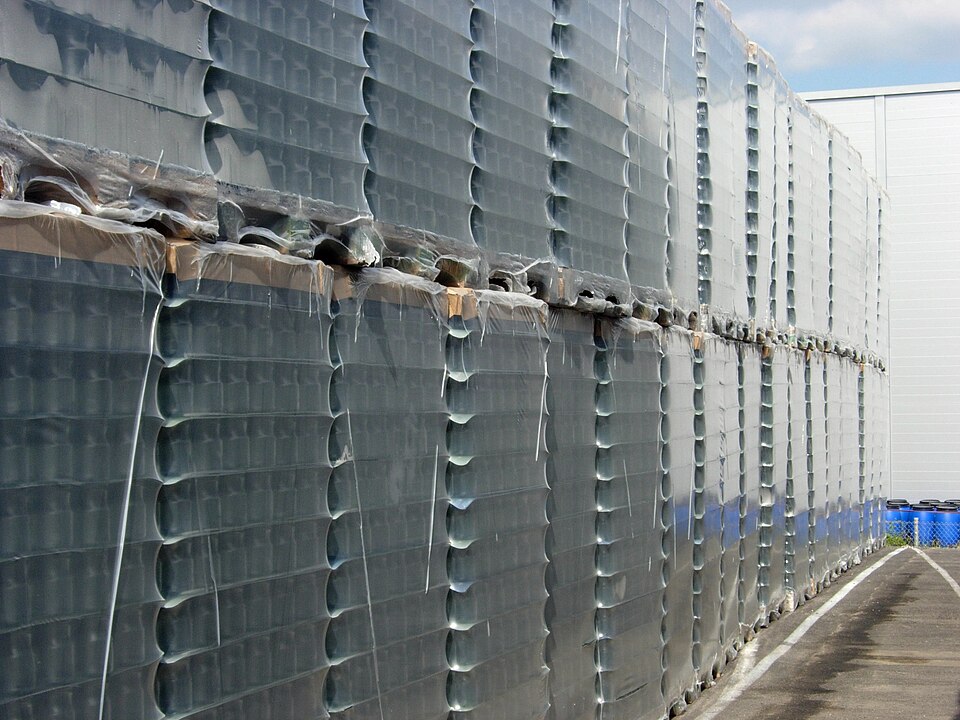
Palletised glass bottles illustrate the kind of shipment assessed by beverage pack buyers.
Further reading
- Verallia, Capital Markets Day presentation, 18 November 2026
- Verallia, Capital Markets Day announcement
Researched and written with AI assistance; references are listed for verification.
Browse suppliers for glass beverage bottles on Made-in-China.com
Explore beverages