The UK’s Food Security Digest, published on 26 November, reported that the Short Straits accounted for 29% of the country’s fruit and vegetable import volume in 2023. The route covers ferry links between Dover and northern France and the rail link between Folkestone and Calais. The figure is for historical import volumes in the combined fruit and vegetable category.
The digest describes how the same route connects UK buyers to wider supply chains through mainland European logistics hubs. It also notes that short-sea shipments of highly perishable goods have limited time to absorb delays. For a business receiving fresh produce, those observations make the route part of the delivery specification.
Define acceptable condition at arrival
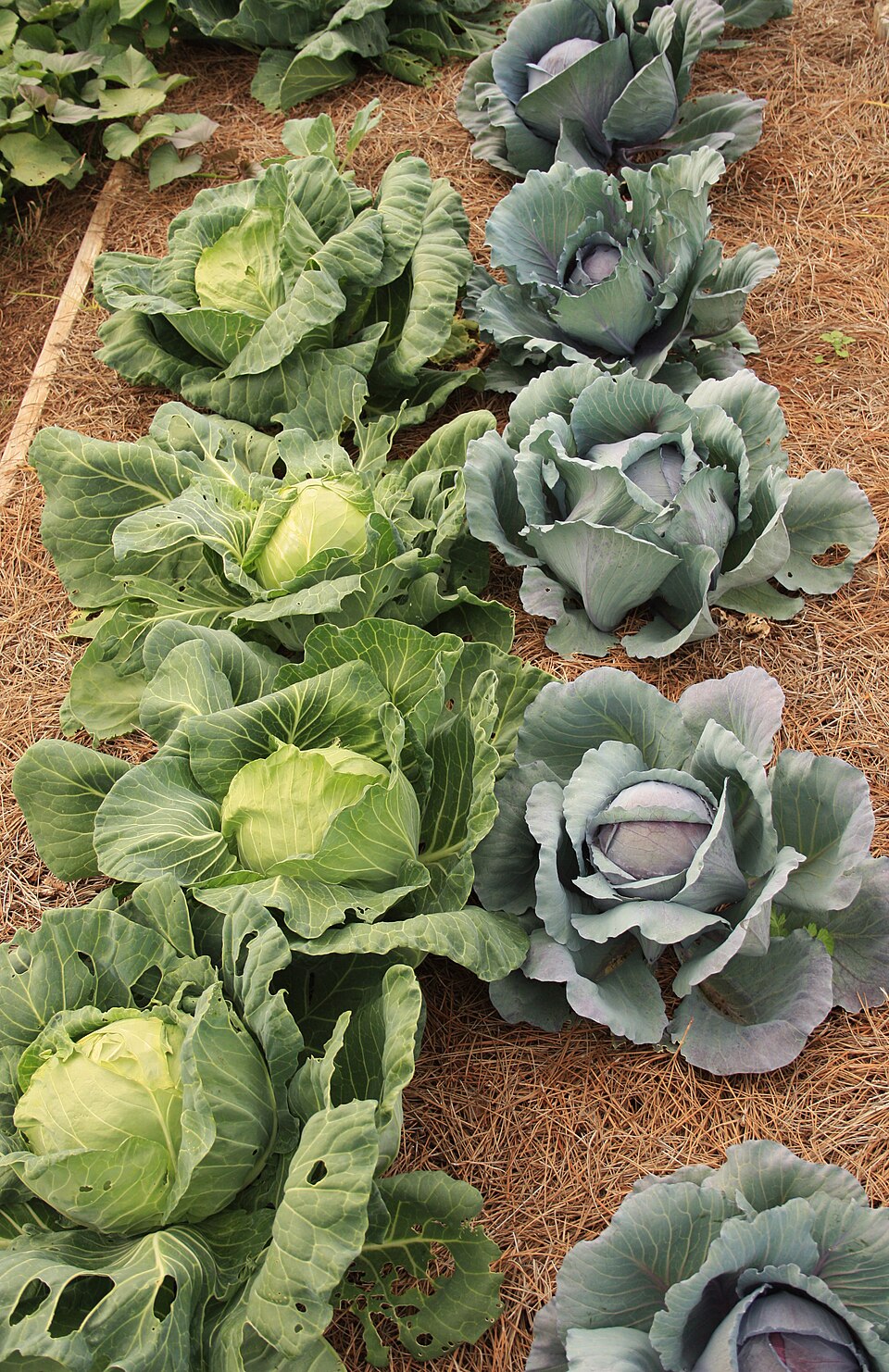
An importer buying leafy vegetables or other short-life produce can request the actual packing location, intended route and named handover point. Ask who will make decisions if a link is delayed, what arrival window can be promised and what records will be available on receipt. Set a minimum remaining shelf life and define how staff should record damaged or off-condition cases.
Where a buyer maintains a backup route or supplier, compare time from packing to receipt and the quantity that can be released at short notice. Using the same delivery and inspection definitions across two quotes makes the backup easier to evaluate before it is needed.
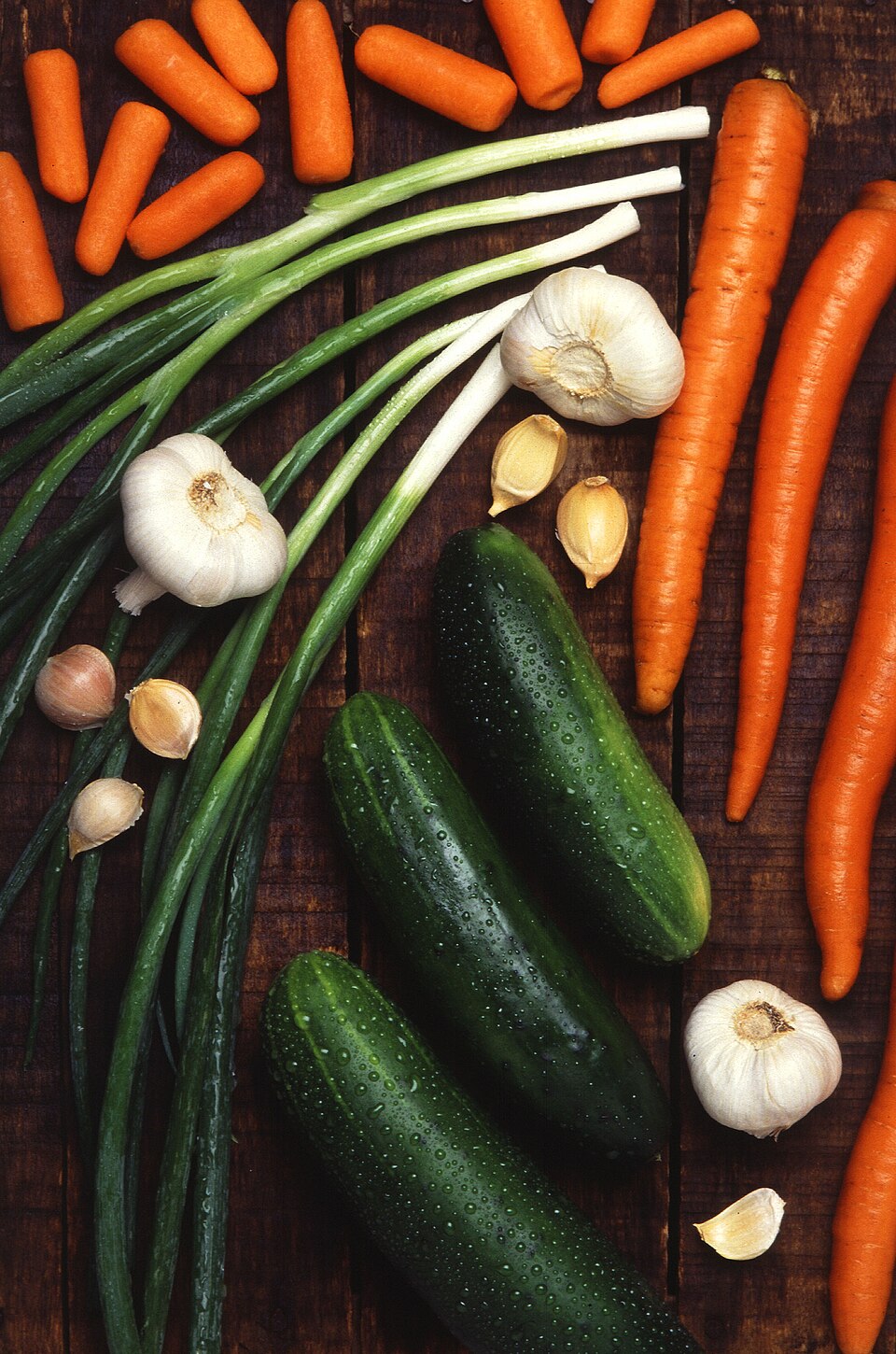
Fresh vegetables illustrate the variety of produce that buyers handle through distribution.
Further reading
Researched and written with AI assistance; references are listed for verification.
Browse suppliers for fresh leafy vegetables on Made-in-China.com
Explore vegetables & preparations