Shaoguan Xinghe Biotechnology in Guangdong shipped a 64.5-tonne batch of shimeji mushrooms to the Netherlands under the supervision of Shaoguan Customs, Guangming Daily reported on 26 November. The report identified the destination and shipment weight. It gave no arrival date or transit-time measurement for this particular batch.
The customs office has introduced a mobile booking system for inspections and extended remote video inspections to some exported agricultural products, including edible mushrooms, according to the report. Shaoguan’s local testing platform also provides testing services and helps producers improve food-safety controls. The article described those measures as part of the local export process. It did not specify which checks applied to the Xinghe shipment.
Measure shelf life at delivery
For a buyer, the product brief starts with the species and presentation. Ask whether the mushrooms are brown or white, whether clusters are shipped intact or trimmed, and what net weight and carton configuration the supplier can repeat. An importer comparing two quotations should request the same dispatch and receipt criteria for both.
Shelf life is most useful when stated at the point where the importer takes delivery. Ask for the lot’s packing date, its expected condition at handover and a temperature log from a comparable route. Agree on how to record condensation, bruising or other defects at receipt so the supplier and buyer can review the same evidence if a shipment arrives out of specification.
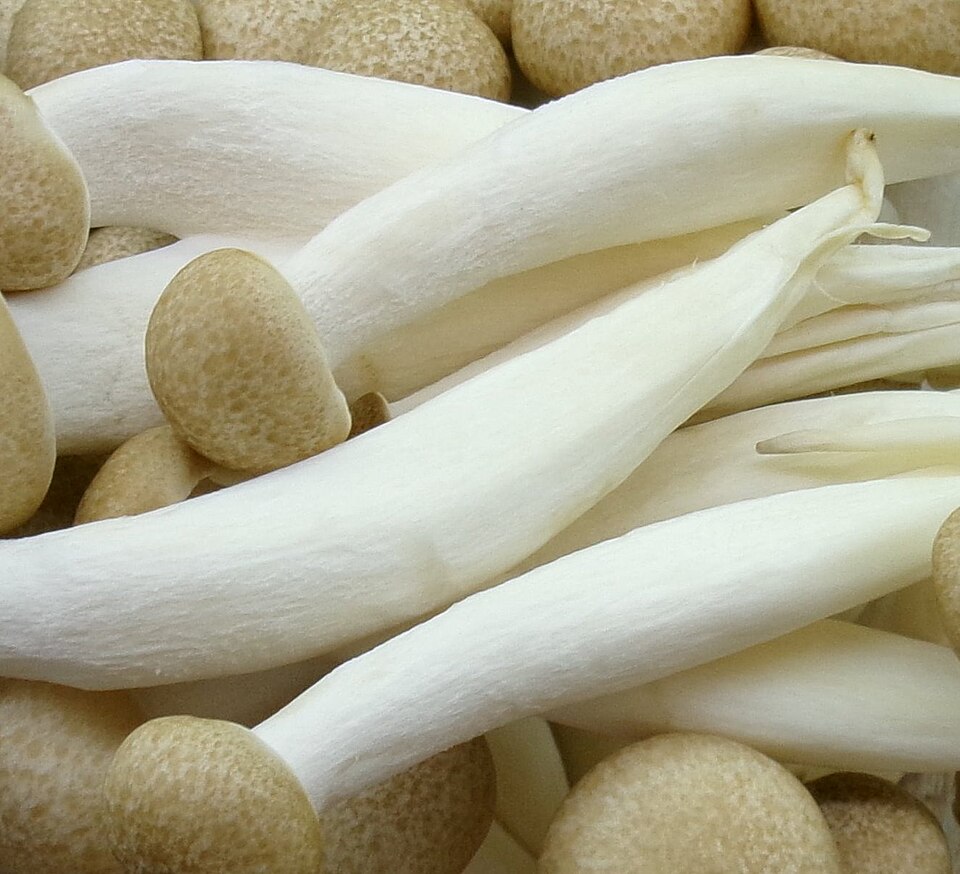
Brown shimeji are shown here as an example of the mushroom variety.
Further reading
Researched and written with AI assistance; references are listed for verification.
Browse suppliers for shimeji mushroom listings on Made-in-China.com
Explore vegetables & preparations