Syngenta Group’s 30 October results describe double-digit third-quarter growth in biologicals, with strong year-to-date sales particularly in Brazil and China. The performance sits within a more mixed picture for crop protection and the wider group.
Nine-month Crop Protection sales were USD 9.8 billion, flat year on year on a reported basis and down 4% at constant exchange rates. Group sales were USD 17.3 billion, down 5%, while underlying group sales increased 1% after excluding planned reductions in grain trading and certain lower-margin activities.
The release also describes new biologicals technologies and continued expansion of existing crop-protection platforms. Product introductions, registrations and regional market performance should be distinguished from each other when interpreting that pipeline.
Keep the scope of the growth claim
For a distributor or grower-facing business, our reading is to identify which biological product, geography and use case a proposed opportunity concerns. Growth across a supplier’s biologicals portfolio does not establish the performance of an individual product on a particular crop.
Similarly, a group revenue decline does not mean every technology or regional business declined. The company’s own breakdown shows why a single headline is insufficient for planning a local assortment.
A practical supplier discussion can begin with availability, the current authorised product information and the evidence relevant to the intended application. The financial update is background for that discussion, not an alternative to those documents.
When using the results in an internal market brief, retain the period and currency basis beside each figure. Nine-month sales and a third-quarter growth statement describe different time windows, even when they appear in the same announcement.
This coverage does not prescribe application rates, extend a registered use or independently validate the supplier’s product-performance claims.
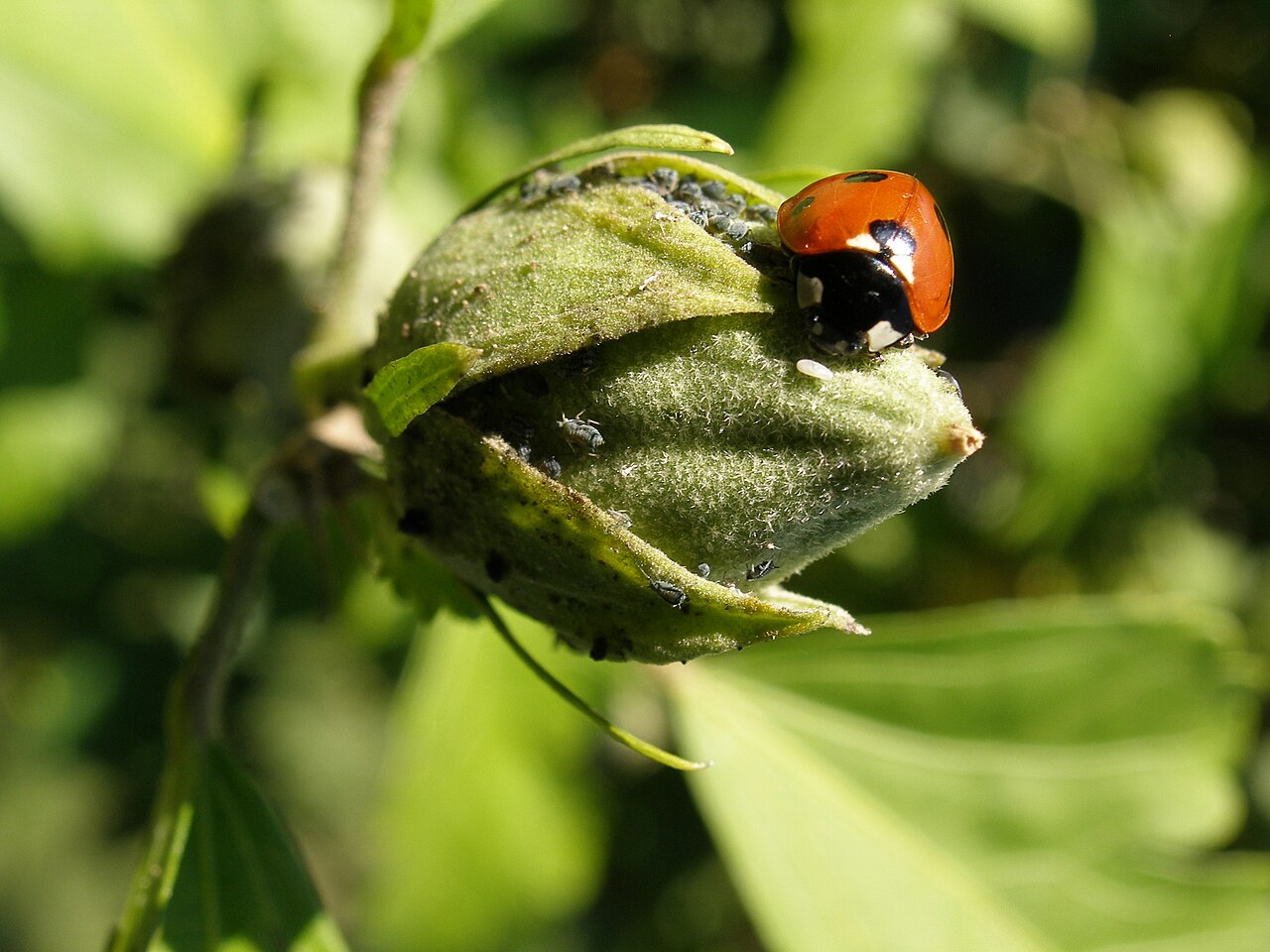
The cover illustrates pest ecology through a ladybird and aphids. It does not depict a Syngenta biological product or company trial.
Further reading
Researched and written with AI assistance; references are listed for verification.