A DAP specification should define more than the familiar 18-46-0 grade. Compare the guaranteed nutrient values, test methods and physical limits against your contract and destination requirements; particle size, moisture and granule strength can matter to handling as well as product acceptance.
Start with the nutrient analysis
The conventional fertilizer analysis is stated as nitrogen (N), phosphate (P₂O₅) and potash (K₂O), in that order. Thus, DAP 18-46-0 denotes 18% N, 46% P₂O₅ and 0% K₂O by weight. The phosphate figure is expressed as P₂O₅, not as elemental phosphorus. The FAO’s fertilizer specification reference explains this grade convention.
For a DAP offer, check whether the sheet specifies:
- Total nitrogen: the guaranteed percentage and whether it is a minimum.
- Available phosphate: the guaranteed P₂O₅ percentage and the method used to determine it.
- Water-soluble phosphate: its minimum percentage, if required by the purchase specification.
- Other nutrient forms: where relevant to the contract or local product standard.
A stated grade alone may not tell you how much of the phosphate must be water-soluble. For example, the supplier comparisons on Agromer’s DAP specification page distinguish available P₂O₅ from water-soluble P₂O₅. Treat its figures as examples of supplier specifications, not as a universal DAP standard.
Compare physical limits as contract terms
Physical properties can vary between products sold under the same grade. Check that the specification gives measurable limits, units and test methods for the properties important to your receiving, blending or application equipment.
| Property | What to confirm |
|---|---|
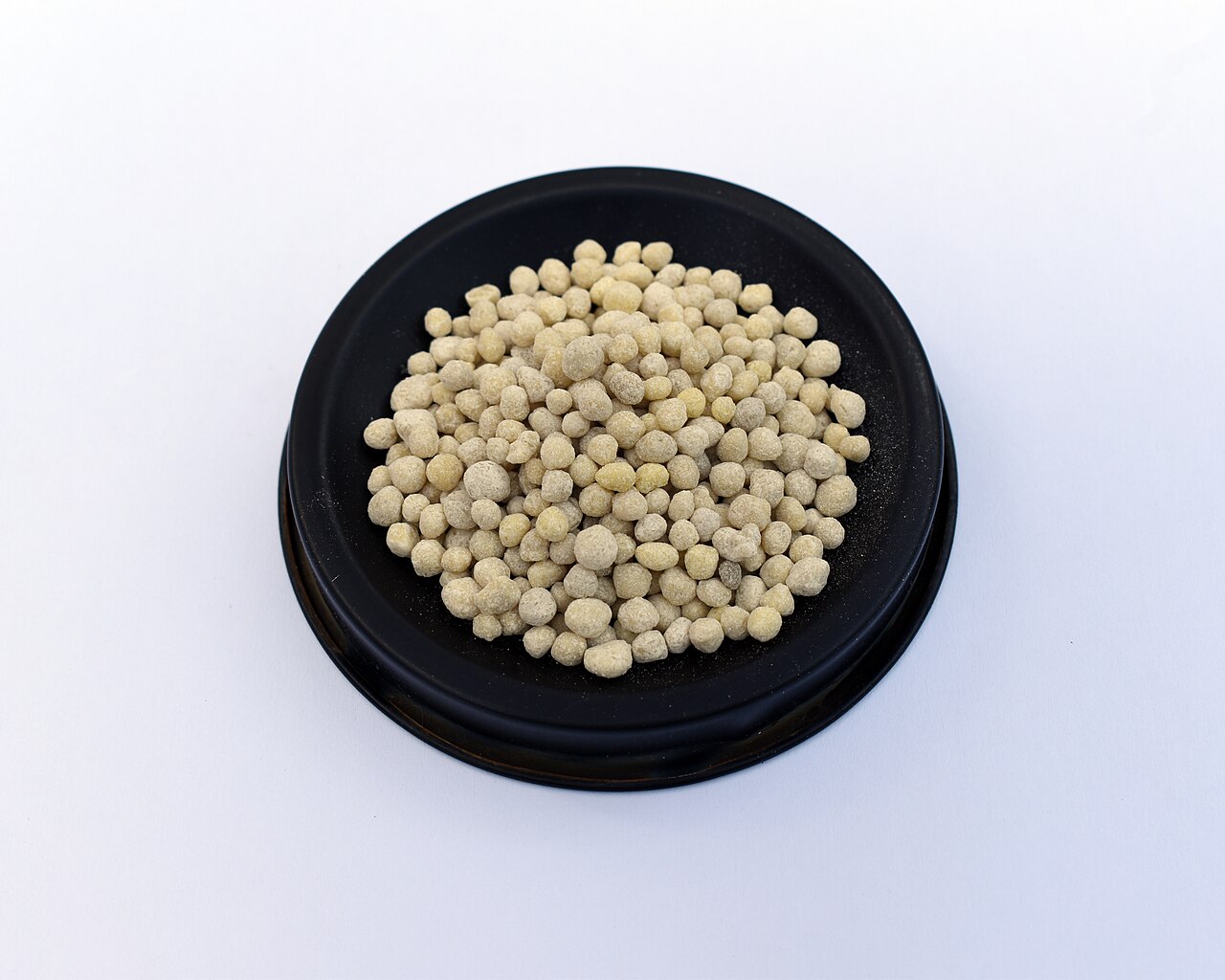
| Granule size | The size range, the required share within that range, and any maximum for fines or oversized particles. Confirm how the size is measured. |
| Moisture | A maximum percentage and the stated measurement basis or method. |
| Granule strength | A minimum value and the test method, if strength is a contract requirement. |
| Bulk density | A value or range, with the measurement basis, when relevant to storage or loading plans. |
| Appearance and flow | Whether colour, caking or free-flowing condition is a contractual acceptance criterion, rather than a general description. |
| Packaging | Bag size or bulk shipment, packaging material and any handling or marking requirements. |
Published examples show why it is important to read the limits rather than assume a standard: Agromer presents different granule-size bands and moisture and strength parameters, while FTS’s DAP product page says commercial specifications can differ by producer. Neither page establishes one specification that applies to every supplier or destination.
Check the basis and methods—not just the numbers
A specification is easier to compare when it identifies whether each value is a minimum, maximum or target range. It should also state units, test methods and any relevant basis, such as whether a nutrient result is reported on a particular moisture basis.
Do not compare two offers as equivalent merely because both say “18-46-0.” Differences in phosphate definitions, test methods or tolerances can affect whether results are comparable. If a required method is not listed, ask the supplier to identify it before agreeing the contract.
Match the specification to the shipment and destination
Before purchase, align the product specification with the contract and destination’s applicable product requirements. Requirements can differ by market; the FAO reference notes that fertilizer specifications are developed in different countries and should be indicated when purchasing.
Ask the supplier to provide the current technical specification and a certificate of analysis (COA) for the relevant shipment or batch. Confirm which nutrient and physical parameters the COA reports, the methods used, and how sampling and acceptance will be handled under the contract. Where contaminant limits apply, state the required analytes, limits and test basis explicitly rather than relying on a general claim of compliance.
A practical comparison checklist
Before comparing quotations, confirm that each offer states:
- DAP grade and guaranteed minimums for N and available P₂O₅.
- Any required minimum for water-soluble P₂O₅.
- Moisture maximum and measurement basis.
- Granule-size range, required proportion in range and fines limit.
- Strength or bulk-density limits, if these matter to your operation.
- Test methods, units and tolerance rules.
- Packaging or bulk-shipment conditions.
- Destination-specific requirements and the shipment documentation needed to demonstrate conformity.
DAP 18-46-0 describes the nutrient analysis, but it does not by itself define the physical quality, test basis or documentation for a particular shipment. Those details belong in the specification and purchase contract.
Further reading
- DAP 18-46-0 Specifications and Data Sheet | Agromer
- DAP Fertilizer 18-46-0 | Diammonium Phosphate Specifications & Uses
- Plant Production and Protection Division: Fertilizer Specifications
Researched and written with AI assistance; references are listed for verification.