Sulfur supply is a central operational issue in Mosaic’s latest quarterly disclosures. In results announced on 3 November, the fertilizer producer said it had aligned phosphate production with the availability of affordable sulfur while working on costs and its financial position.
Mosaic reported $3.1 billion in third-quarter revenue and a net loss of approximately $72 million. Its announcement put phosphate sales volume at 1.4 million tonnes and potash sales volume at 2.1 million tonnes. These are company segment figures, rather than an estimate of global fertilizer supply.
The input constraint behind the output
The company’s Form 10-Q for the quarter ended 30 September provides the operational detail. North American operations recorded an average consumed sulfur price of $715 per long ton, compared with $272 in the year-earlier period, an increase of 163%. Consumed costs include transportation, transformation and storage, so that measure should not be compared directly with an unadjusted spot quotation.
Mosaic said raw-material availability, primarily sulfur, contributed to a 23% year-on-year decrease in its Phosphate segment’s production of crop nutrient dry concentrates and animal feed ingredients. That production measure is broader than an individual fertilizer product or shipment commitment.
The earnings announcement also disclosed a fourth-quarter sulfur contract settled at $615 per long ton. A newly settled contract price and the previous quarter’s average consumed cost describe different purchasing and accounting periods; the difference is not evidence that every unit of phosphate output immediately becomes cheaper.
For agricultural distributors preparing fertilizer purchases, the practical issue is how a supplier’s input position translates into deliverable product. Our suggested discussion separates confirmed stock, planned production and contracted delivery dates, then checks product grade, loading point and the period for which an offer remains valid.
Mosaic’s disclosures identify pressure within one producer’s operations. They do not establish a uniform shortage or price change across all phosphate fertilizers. Procurement decisions still need a current quotation and an explicit delivery commitment for the required material and destination.
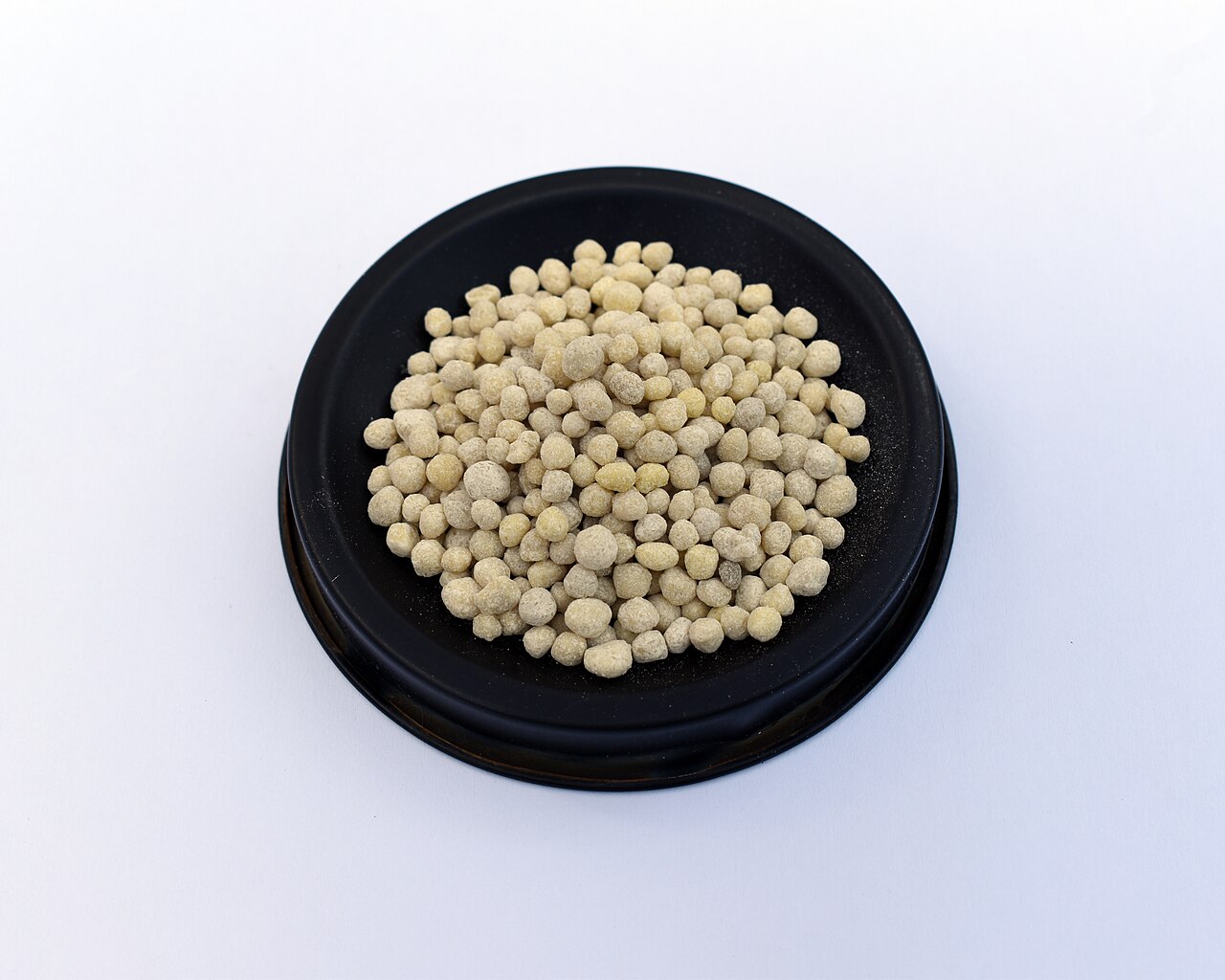
The cover is an illustrative fertilizer photograph and does not identify a Mosaic product.
Further reading
- The Mosaic Company — Third-quarter 2026 results, 3 November 2026
- The Mosaic Company — Form 10-Q for the period ended 30 September 2026
Researched and written with AI assistance; references are listed for verification.