A green tea buying specification should describe the shoot configuration and maturity you expect—not rely on a grade name or the phrase “two leaves and a bud” alone. That familiar standard is common, but appropriate leaf selection varies by tea style; buyers should agree on a written description and check it against representative samples.
Define the shoot configuration
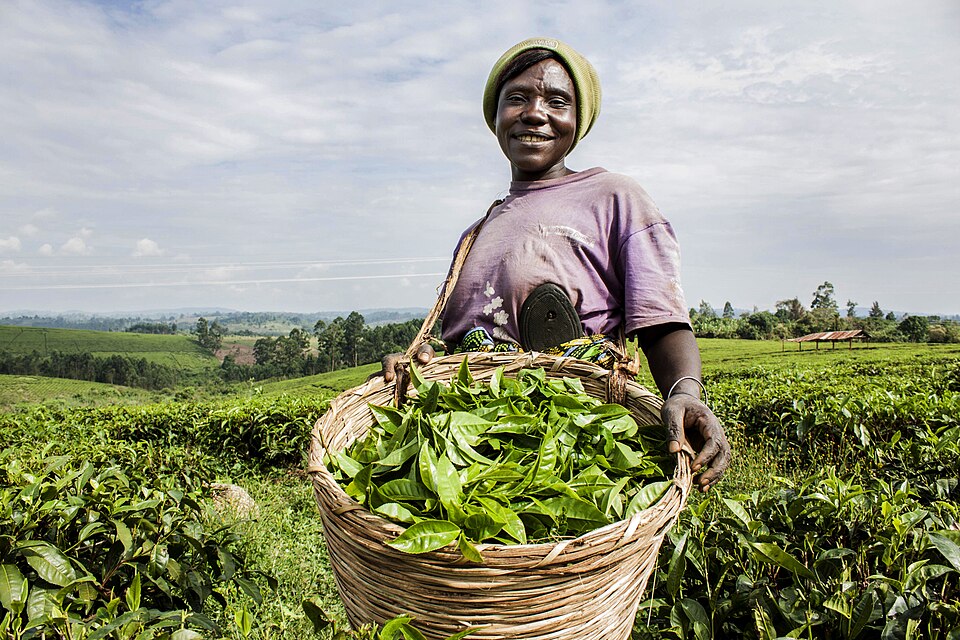
State what a plucked shoot should contain. For example, specify whether the target is:
- A bud with one leaf
- A bud with two leaves
- A bud with two or more leaves
“Two leaves and a bud” is a widely recognised standard, but it is not a rule for every green tea. Some teas are made to show larger leaves; the International Specialty Tea Association cites Tai Ping Hou Kui and Liu An Gua Pian as examples. Match the specification to the style and product you are buying, rather than treating the smallest shoot as automatically best. (International Specialty Tea Association)
Describe maturity and what is out of specification
Add plain-language descriptions of the expected leaf maturity. For instance, clarify whether the lot should consist mainly of tender shoots, and how the buyer and supplier will identify shoots that are too mature or coarse. If stems, damaged leaves or other material matter to the product, state how they will be handled.
Avoid vague terms such as “fine plucking” unless the supplier and buyer have agreed what they mean in practice. A plucking standard is a defined bud-and-leaf configuration, but labels and grade terms alone may not tell you what proportion of a shipment meets it.
Agree how conformance will be judged
Set out the acceptance criteria before ordering. These could include:
- A reference sample approved by both parties
- The expected shoot configuration and maturity
- How any permitted variation will be described or measured
- How the buyer and supplier will assess the delivered lot
Do not assume there is a universal percentage threshold for every green tea. Set any numerical tolerance through agreement with the supplier, based on the product and the inspection method.
Check representative samples
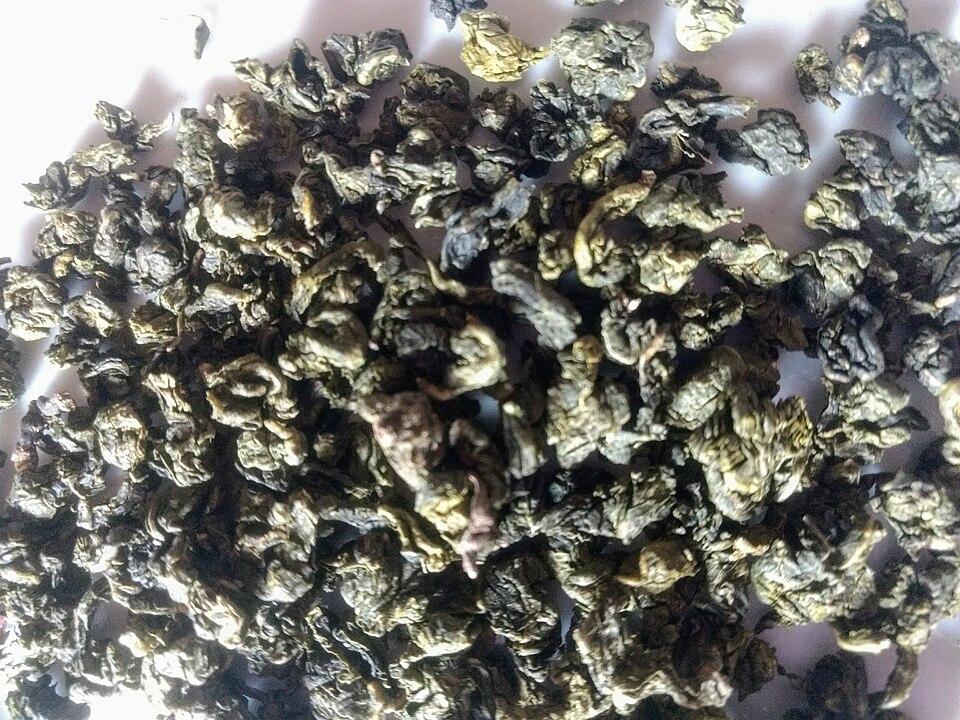
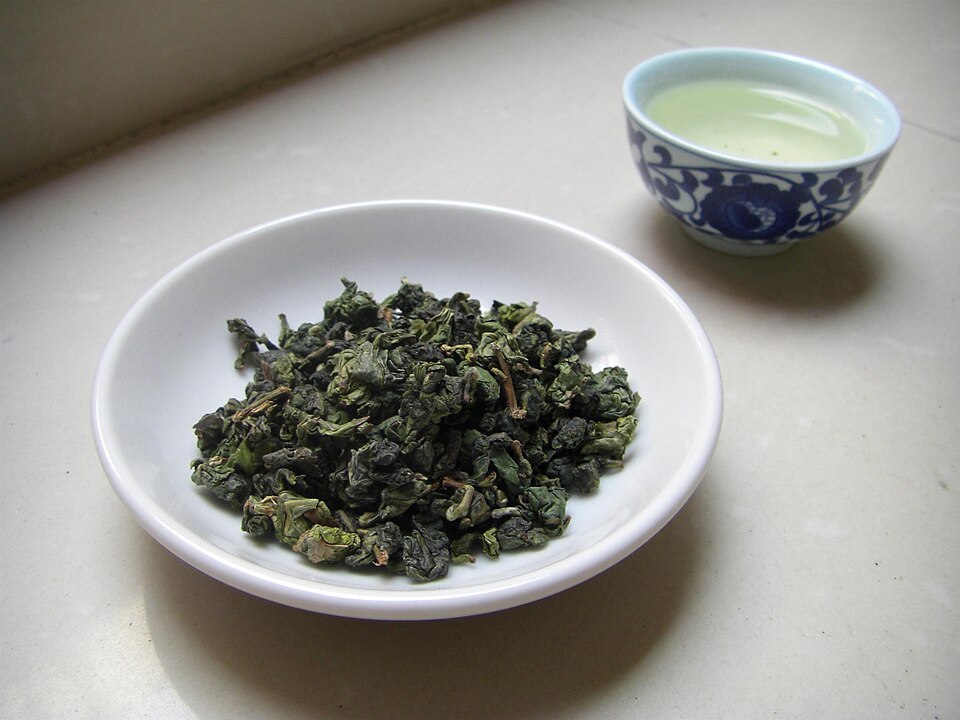
Inspect a representative sample of the lot, not just a few selected leaves. Look at the dry leaf for consistency with the agreed appearance, then examine the infused leaves to assess the original shoot configuration. The International Specialty Tea Association describes examination of brewed leaves as one way tea professionals assess adherence to a plucking standard; it also notes that finished-leaf uniformity depends on garden management and sorting as well as plucking. (International Specialty Tea Association)
A supplier video describing Qiandao tea grades gives examples ranging from a bud with a tiny leaf to a bud with two or three leaves. These are examples of product-specific grading, not a universal grading system. (Teavivre)
Example specification language
Use wording like this as a starting point, then fill in the details with the supplier:
Plucking standard: [describe the target bud-and-leaf configuration] for [named green tea style].
Maturity: [describe the expected maturity and any out-of-specification shoots].
Reference: Conformance will be assessed against the mutually approved sample.
Inspection: The buyer and supplier will assess representative samples of the delivered lot, including infused leaves. Any permitted variation or rejection criteria will be agreed before shipment.
The most useful specification is one both sides can apply consistently. Define the leaf configuration for the particular tea, agree on a reference, and check the delivered lot against those terms rather than relying on a generic grade label.
Further reading
- Standards For Specialty Tea — Plucking and Leaf Uniformity | International Specialty Tea Association
- Compare Different Grades of Tea Leaves and Tea Plucking Method – teavivre
Researched and written with AI assistance; references are listed for verification.
Browse suppliers for tea and tea leaves on Made-in-China.com
Explore tea & tea leaves