Quanzhou customs officers in Anxi retrieved garden and processing records for an export tea lot from Fujian Gaojianfa Tea on 2 November. Quanzhou Evening News, reporting from the site, said the 10.48-tonne lot carried a code linked to garden plots, farming records and factory test reports. The provincial account said the system uses satellite observations and ground records and was developed by Quanzhou customs with Anxi County.
The approach ties a batch on export paperwork to its upstream sources. That relationship is particularly relevant when tea from multiple gardens is brought together for grading or blending. A buyer can ask which plot and processing records are linked to the lot and what part of that information is available with the shipment documents.
The number printed on the pack or case can also be checked against the test report attached to the lot. If a delivery contains several batches, ask the supplier to identify them separately on the packing list. This makes it easier to follow up on sensory differences, quality questions or a laboratory result for just one batch.
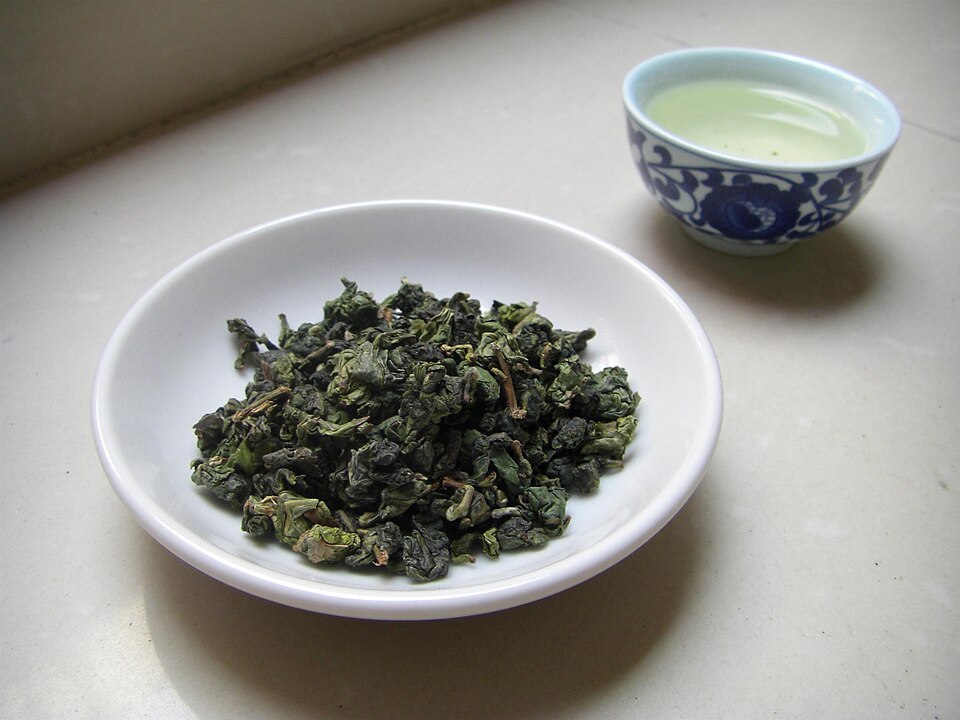
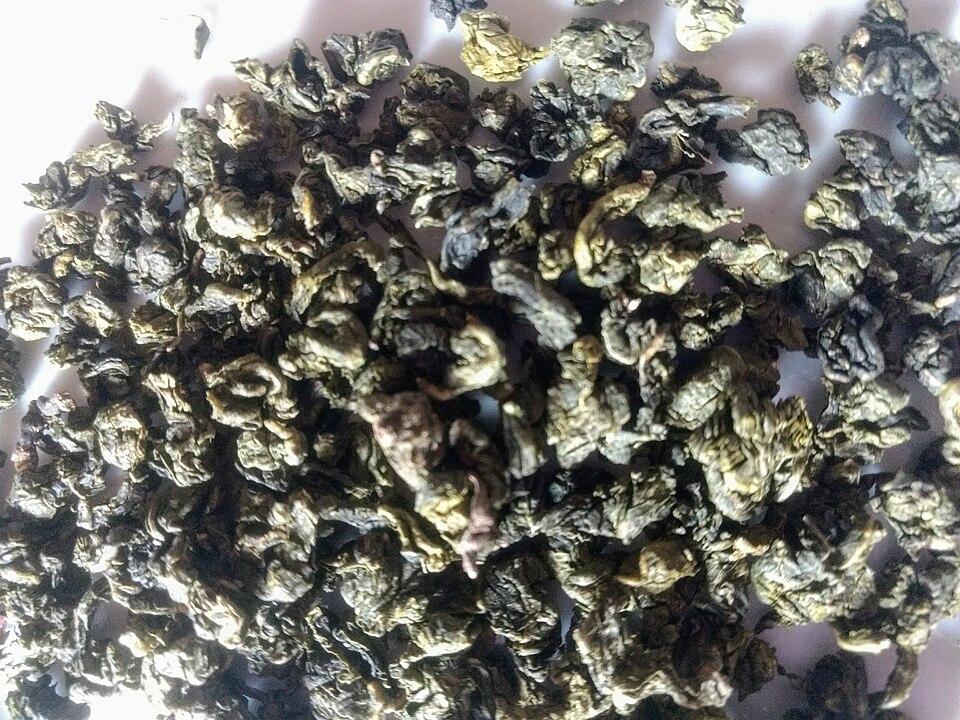
Loose Tieguanyin oolong shown for illustration.
Further reading
- Quanzhou Evening News field report on the 2 November traceability check
- Fujian provincial portal’s 14 November report on the Anxi system
Researched and written with AI assistance; references are listed for verification.
Browse suppliers for oolong tea on Made-in-China.com
Explore tea & tea leaves