McCormick reported a 17.4% increase in third-quarter net sales on 1 October, while organic sales grew 1.9%. The quarter ended on 31 August, and the reported increase included a favourable currency contribution of 0.9%.
The difference between reported and organic growth is central to interpreting the release. The larger headline should not be read as an equivalent increase in like-for-like seasoning demand.
Profit measures also moved differently. Reported operating income was USD 217 million, compared with USD 289 million a year earlier, while adjusted operating income increased to USD 359 million from USD 294 million. Both retain their own definitions and should remain labelled when quoted.
Compare the same business measure
For ingredient and seasoning suppliers, the results provide context about a major flavour business rather than a direct order forecast. A group sales movement cannot establish demand for every spice, blend or customer channel.
Commercial teams comparing disclosures can record the period, business perimeter and currency basis before drawing a conclusion. An organic measure and a reported total are useful together precisely because they answer different questions.
The next purchasing conversation still belongs at product level: identify the blend, intended use, pack format and delivery commitment. That approach keeps the corporate update informative without turning a broad financial headline into an unsupported claim about physical volumes or the price of a particular seasoning.
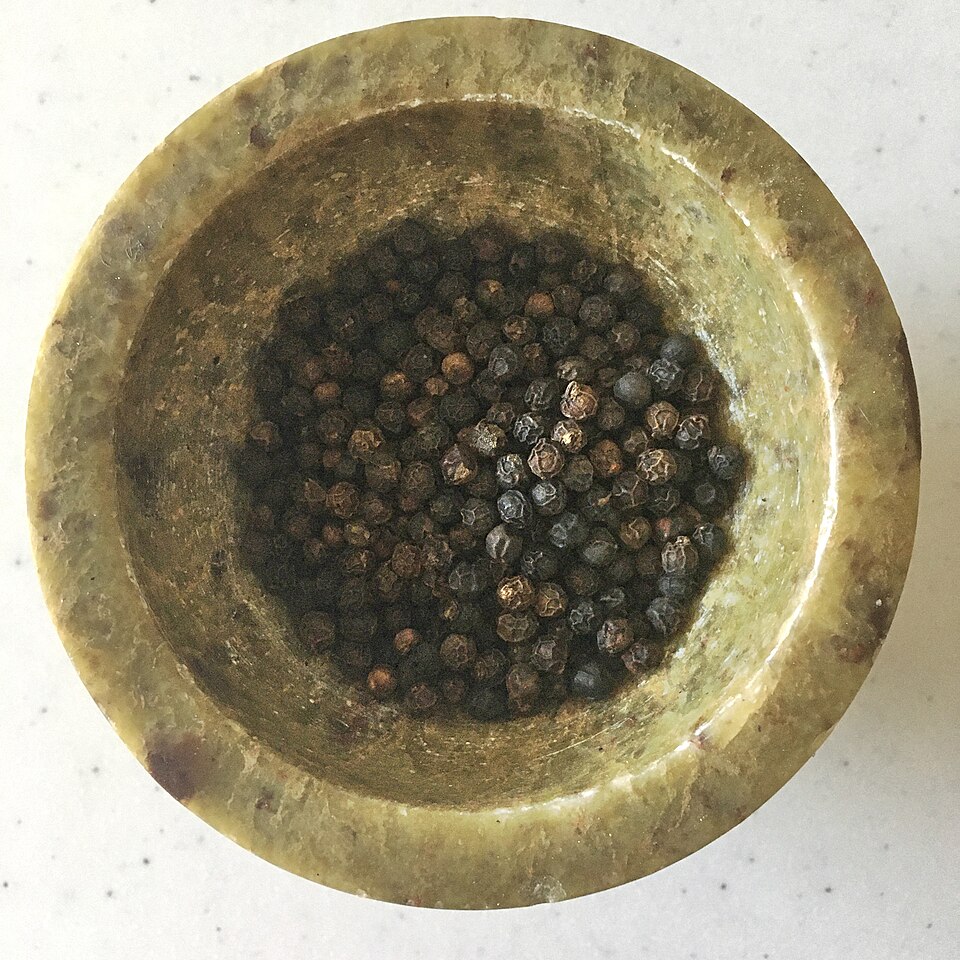
Black peppercorns as a seasoning illustration; not an identified McCormick product.
Further reading
Researched and written with AI assistance; references are listed for verification.