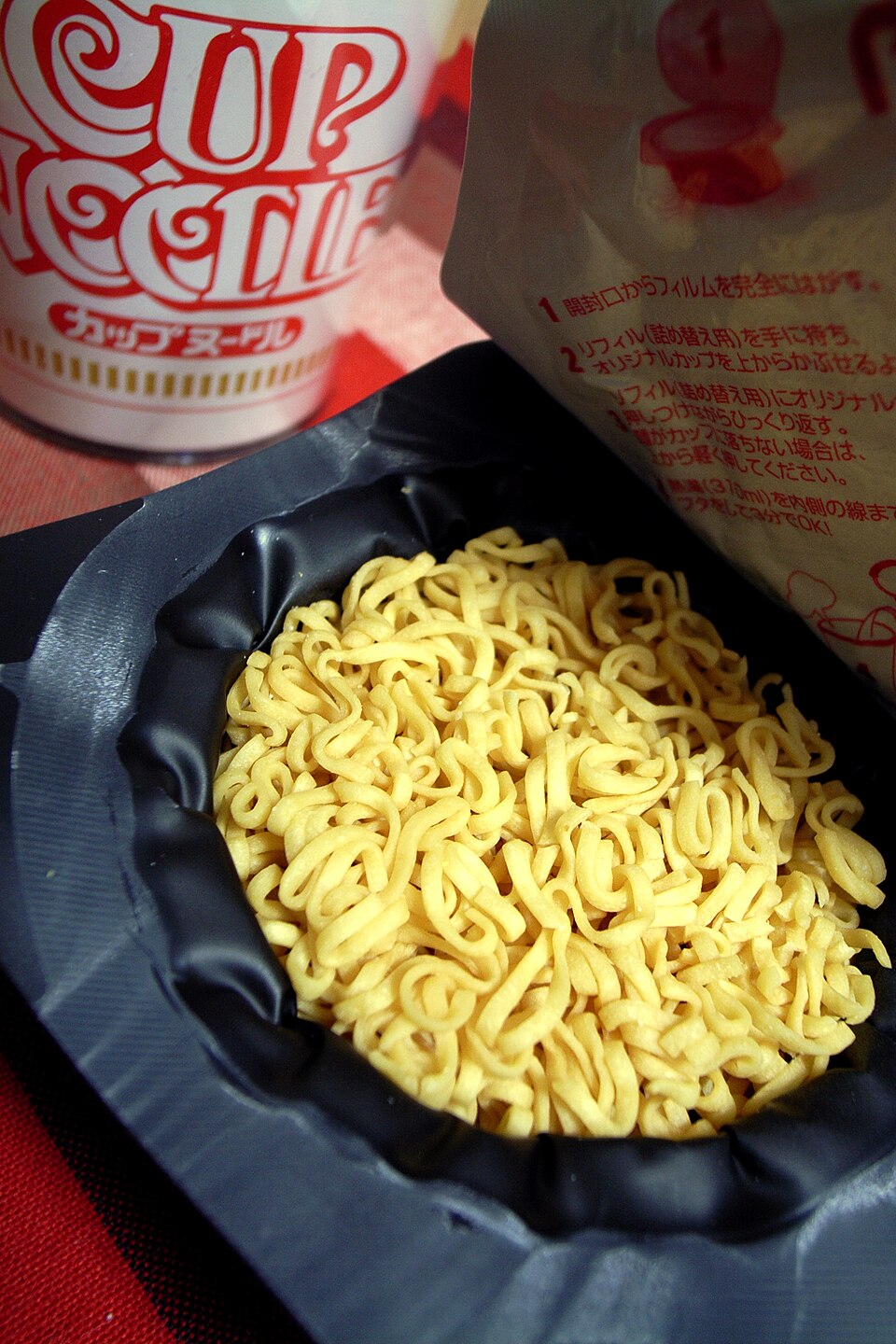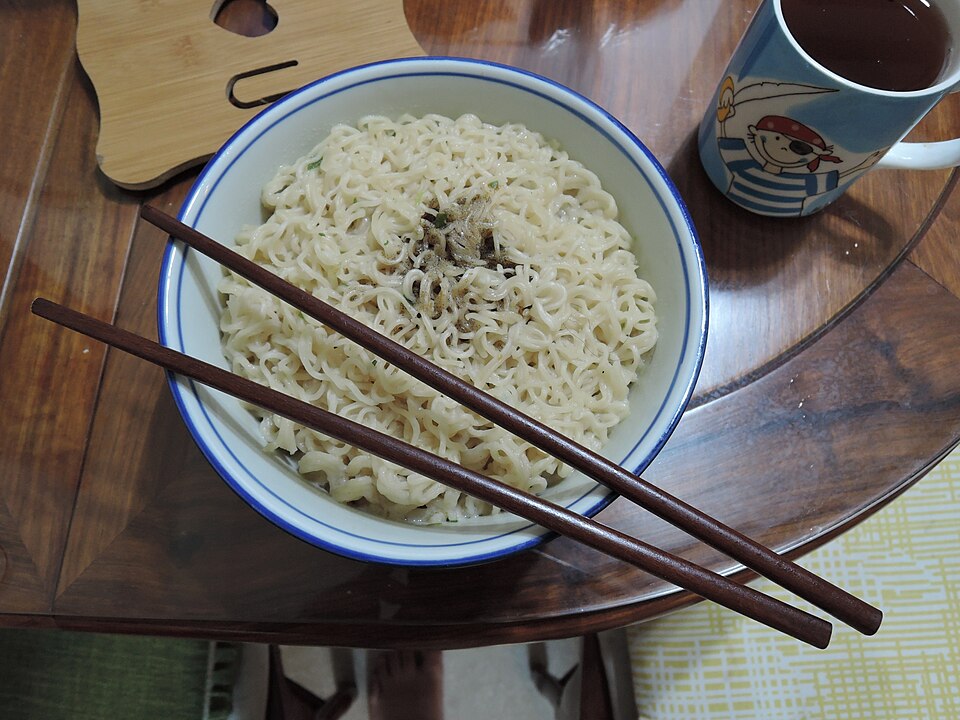
Maliuji held a formal opening for its self-operated factory in Zitong, Sichuan, on 12 November. Sichuan Online reported that the site was producing cups and bags of hot-and-sour glass noodles, instant wheat noodles and rice noodles. A September site report had described the first phase as already operating since late August, placing the November milestone after the initial production start.
A report from the opening put combined line output at around 10,000 cups or bags per hour. That figure covers the formats described at the site. It does not establish how many packs of any single recipe the plant can run or when a new order can be scheduled.
Check the noodle and the sachet together
A hot-and-sour noodle kit can contain several components with different requirements. When assessing a sample, record the declared starch in the noodle, the preparation time and the texture at the intended serving point. Then evaluate the seasoning and any vegetable sachet at their stated serving sizes. Testing a bowl prepared to the package instructions can expose a mismatch that is easy to miss when the components are evaluated separately.
For distribution, confirm the outer case dimensions, packaging language and typical lead time for the exact cup or bag. Ask the supplier which components it makes at the site and which it buys in. That distinction helps identify where a change in capacity or ingredients would affect the finished SKU.
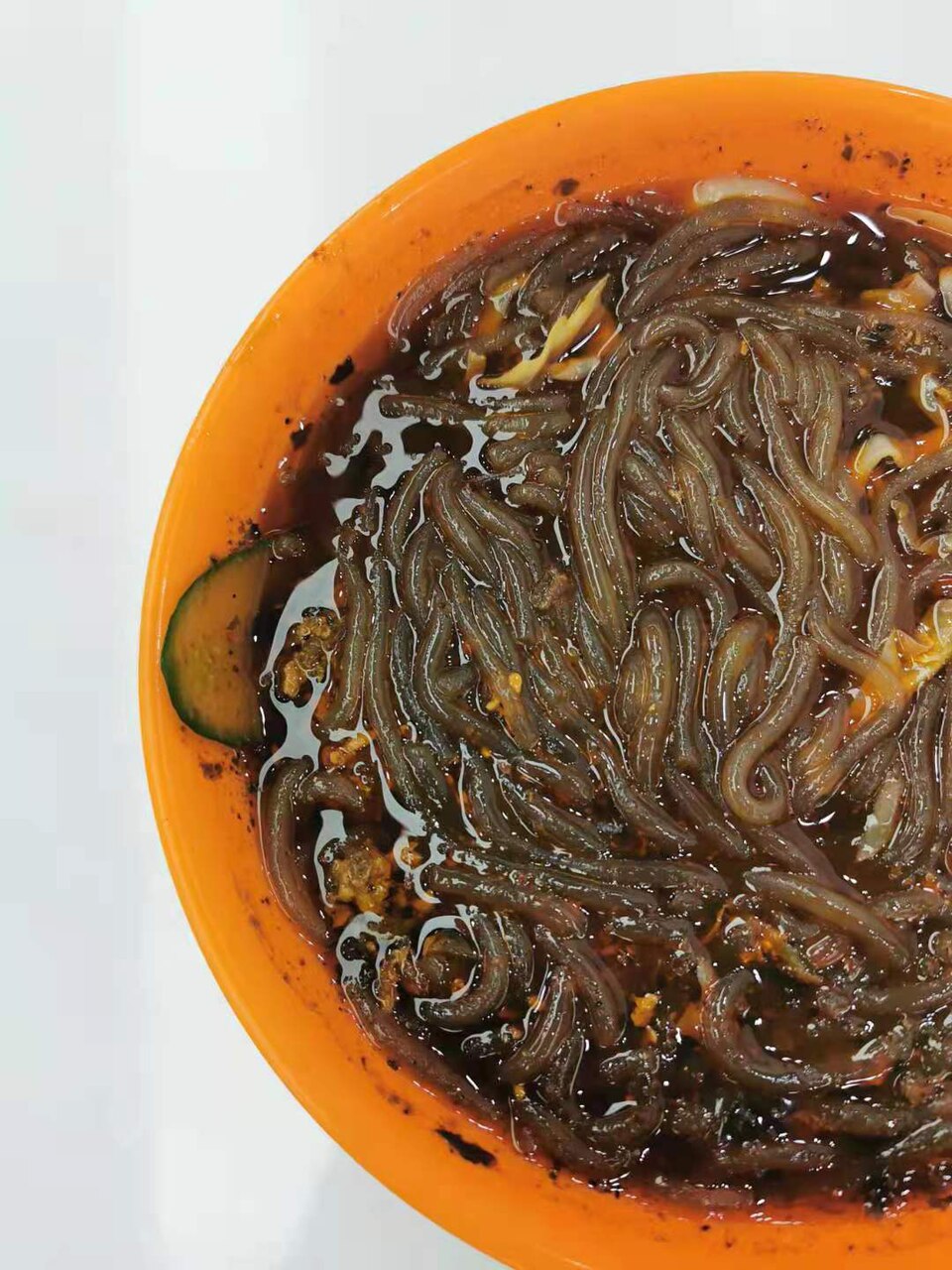
A serving of suanlafen illustrates Sichuan’s hot-and-sour glass noodle format.
Further reading
Researched and written with AI assistance; references are listed for verification.
Browse suppliers for sweet potato vermicelli for instant noodle kits on Made-in-China.com
Explore convenience food