Kerry’s 22 October trading update reports third-quarter volume growth of 4.1%, compared with growth of 3.6% for the first nine months of 2026. Pricing was positive by 0.2% in the quarter, while the year-to-date figure was negative by 0.6%.
The company attributes activity to foodservice innovation and product renovation in retail. It also describes continued investment in taste and biotechnology-enabled capabilities. Its separate nine-month revenue bridge includes currency and portfolio effects as well as volume and pricing.
These distinctions help explain why stronger volumes need not produce the same reported revenue change. Quarterly pricing should also not be substituted for the cumulative nine-month movement.
Compare an application, not the headline
For ingredient buyers, the update indicates continuing commercial activity across customer programmes. It does not establish the price, availability or sensory performance of a particular flavour, enzyme or preservation solution.
New-product development and renovation can generate different requests. One brief may seek a new taste experience; another may focus on changing composition or cost while maintaining an established product profile. Those tasks need separate evaluation criteria.
A productive follow-up connects the supplier’s broad operating commentary with the actual application: target market, recipe, processing conditions and evidence needed for approval. Current product quotations should retain their own scope and validity, rather than being inferred from a group-level pricing percentage.
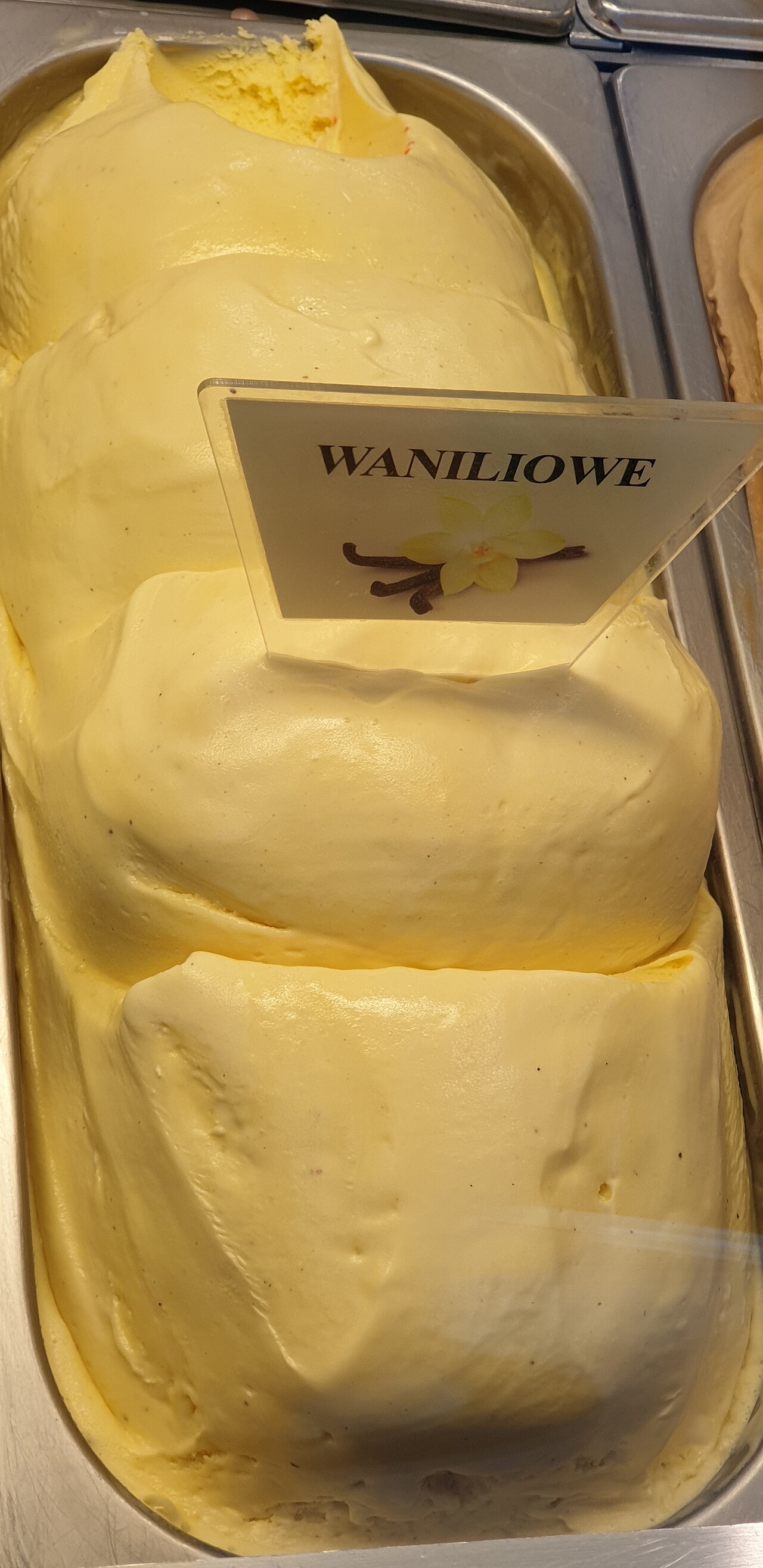
Vanilla ice cream displayed for sale; a formulation illustration, not a Kerry product.
Further reading
Researched and written with AI assistance; references are listed for verification.