Angel Yeast published a Chinese technical explanation on 13 November that looks beyond the protein percentage on a specification sheet. The supplier discusses biological value, net protein utilisation, digestibility and amino-acid scoring as separate ways of describing yeast protein.
Its note reports an in-vitro DIAAS range of 0.95–1.27 alongside other experimental measurements. These are supplier-reported results with different methods behind them. They should not be combined into a single absorption percentage or presented as a clinical outcome for every finished food.
For international buyers evaluating Chinese fermentation ingredients, the practical development is a more detailed set of questions to put to the supplier. A protein-content certificate and a protein-quality study answer different questions.
Ask for the evidence behind the grade
Request the study reference, test material and method before comparing a reported score with another ingredient. Establish whether the evidence concerns the exact commercial grade being offered and whether the test was performed in vitro or in vivo.
An application trial then has a separate job: determining flavour, dispersion and performance in the intended food. A favourable ingredient study does not establish that a processed recipe will deliver the same measured outcome.
The note is useful as a supplier evidence briefing rather than an independent endorsement. Purchasing teams can use it to organise technical discussions while keeping composition, experimental results and finished-product claims in separate parts of the buying brief.
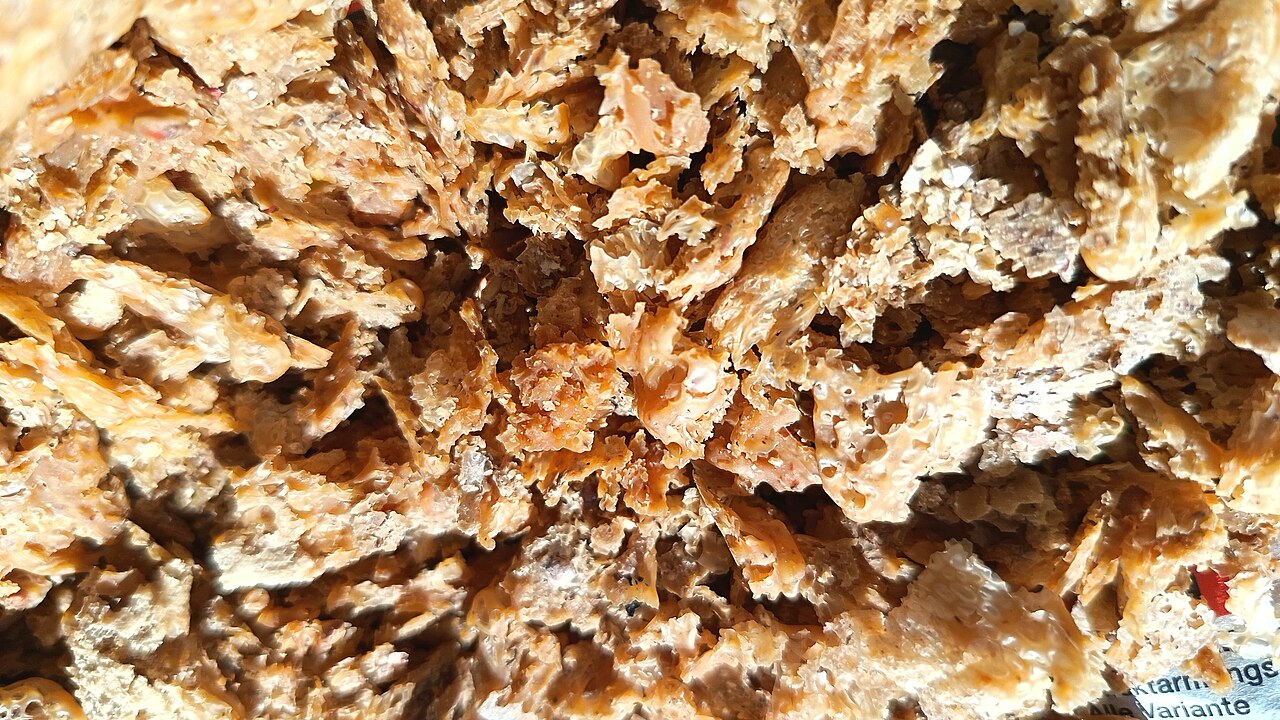
Dried yeast as a fermentation ingredient illustration; not an Angel yeast protein sample.
Further reading
Researched and written with AI assistance; references are listed for verification.