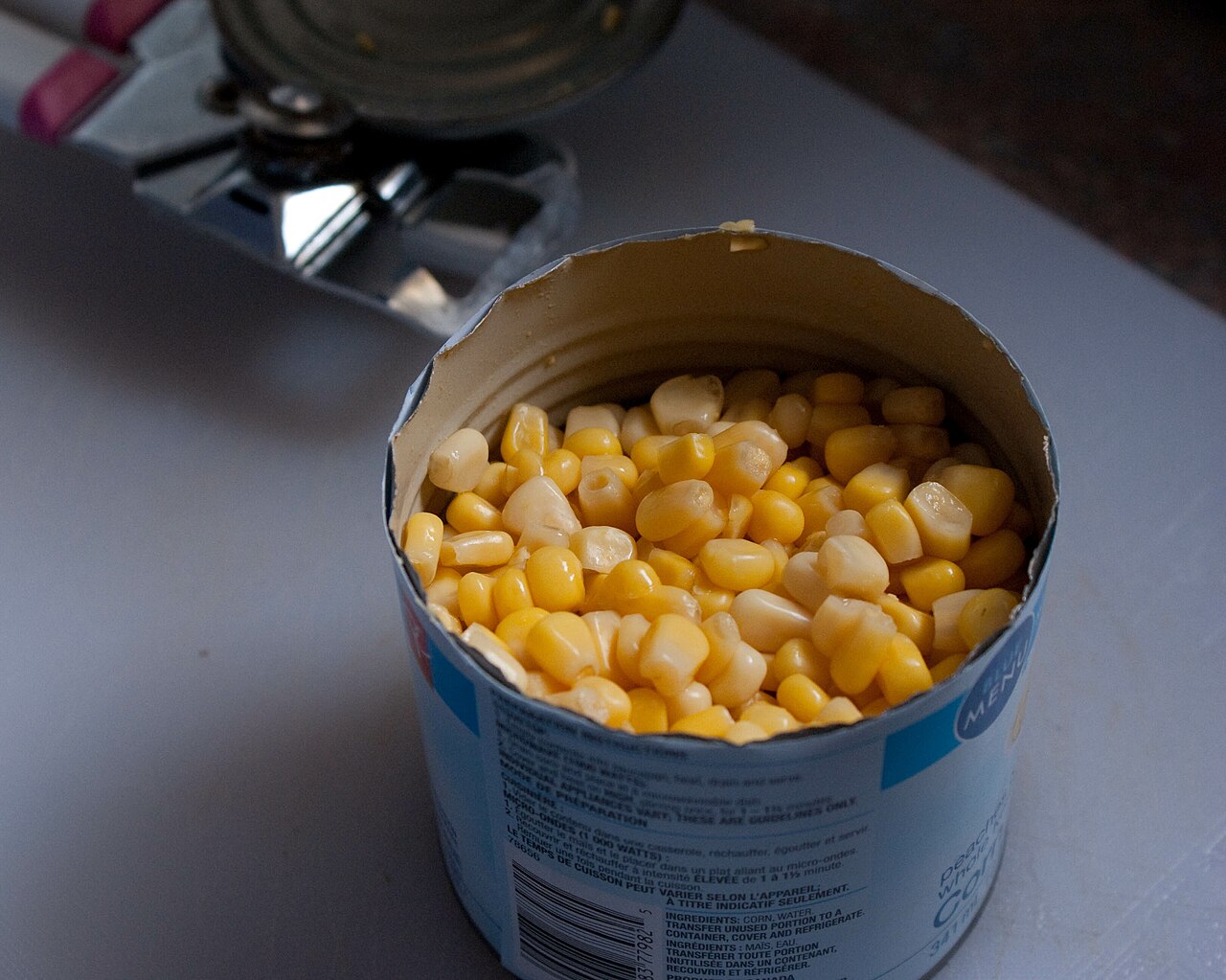
For canned-food buyers, a printed date and a production code serve different purposes: a date may guide stock rotation or indicate expected quality, while a coded lot mark helps identify a production run. Neither should be treated as a universal measure of a can’s safety or remaining shelf life.
Read the wording, not just the date
The label’s wording matters. The Canned Food Alliance describes a “Best if Used By” date as a guide to freshness and top quality when the product is stored properly; quality may decline after it, even if the food remains safe. A “Sell-By” date is primarily for retail display, not a general instruction to discard stock. “Use-By” and “Expiration” wording can have different meanings depending on the product and jurisdiction, so buyers should check the applicable label requirements and the manufacturer’s instructions rather than assume every phrase has the same significance. (Canned Food Alliance)
For the US, USDA’s Food Safety and Inspection Service (FSIS) explains that a can’s closed or coded date is a manufacturer’s packing code, not a date intended for consumers to interpret as a use-by date. Its fact sheet also says there is no universal method for translating those codes. The fact sheet was revised in February 2007, so buyers should consult current requirements for the markets where products are sold. (USDA FSIS fact sheet)
Treat can codes as traceability information
Manufacturers use different coding systems. A code may contain production date or time information, but other characters may identify the plant, product or batch. A format that works for one supplier—or one product from that supplier—cannot safely be assumed to work for another. The Canned Food Alliance recommends contacting the manufacturer when a specific code needs clarification. (Canned Food Alliance)
For receiving and inventory records, capture the code exactly as printed, along with the supplier, product, quantity received and any stated date. If a code needs to be converted into a production date, obtain the supplier’s written explanation and retain it with the lot record. Don’t use an internet example or a code from another product to infer a date.
Use dates to manage stock, not to replace lot control
A practical stock routine is to:
- Record explicit quality dates at receipt. Where a product carries a “Best if Used By” date, use it to plan rotation and purchasing.
- Rotate by the earliest relevant date. Place earlier-dated stock where it will be picked first, while keeping lot identities intact.
- Apply a consistent rule to undated or coded-only stock. Record receipt dates and follow the supplier’s documented shelf-life guidance rather than guessing from a production code.
- Keep traceability records. Make sure dispatch and internal stock records can connect a product to its supplier and lot code.
- Check the can and storage conditions. Date-based rotation does not replace checks for damaged packaging or compliance with the product’s storage instructions.
A “Best if Used By” date is a quality guide, not proof that a product is safe before the date or unsafe immediately afterward. FSIS notes that food can become unsafe through mishandling before or after a package date. For a damaged can or a product with questionable handling history, do not rely on the date alone; follow the applicable food-safety procedure and contact the supplier where appropriate. (USDA FSIS fact sheet)
Confirm shelf life with the supplier
Shelf-life guidance can depend on the product, its packaging and storage conditions. The Canned Food Alliance gives a general rule of thumb of at least two years from purchase and recommends moderate storage temperatures, but that is not a substitute for a product-specific specification or a guarantee for every can. (Canned Food Alliance)
For procurement specifications, ask suppliers to define the meaning of each date mark, explain the lot-code format, state the recommended storage conditions and provide the product’s shelf-life basis. This gives buyers a more reliable foundation for stock rotation, customer requirements and traceability than trying to decode a can by appearance alone.
Further reading
Researched and written with AI assistance; references are listed for verification.