COFCO shared a Chinese media account on 16 November describing how digital trade documents helped a canned luncheon-meat export transaction between China and Singapore. The account concerns a transaction completed in the previous year, rather than a newly announced shipment this November.
The report says documents previously moved by international courier among exporters, shipping companies and banks. In the cited digital-collection case, interoperability between China’s trade-document platform and Singapore’s TradeTrust allowed electronic circulation instead.
According to the account, processing that had taken five to ten days was reduced to about eight minutes, while the payment cycle fell from twenty days to five. Those figures describe this reported case; they are not a guaranteed service level for every canned-food order.
Check the document chain early
For importers buying shelf-stable foods from China, the example highlights a part of delivery planning that sits alongside production and transport. Establish which documents the buyer, bank and carrier will accept, and confirm that the participants can use the same digital process.
Faster document circulation does not shorten the sea voyage itself or replace product specifications and destination requirements. It changes how information moves between the parties.
A practical purchasing discussion can therefore cover document format and responsibility before dispatch, rather than waiting until the cargo reaches port. COFCO’s example demonstrates a reported operational improvement while leaving the exact arrangements for each new contract to its participants.
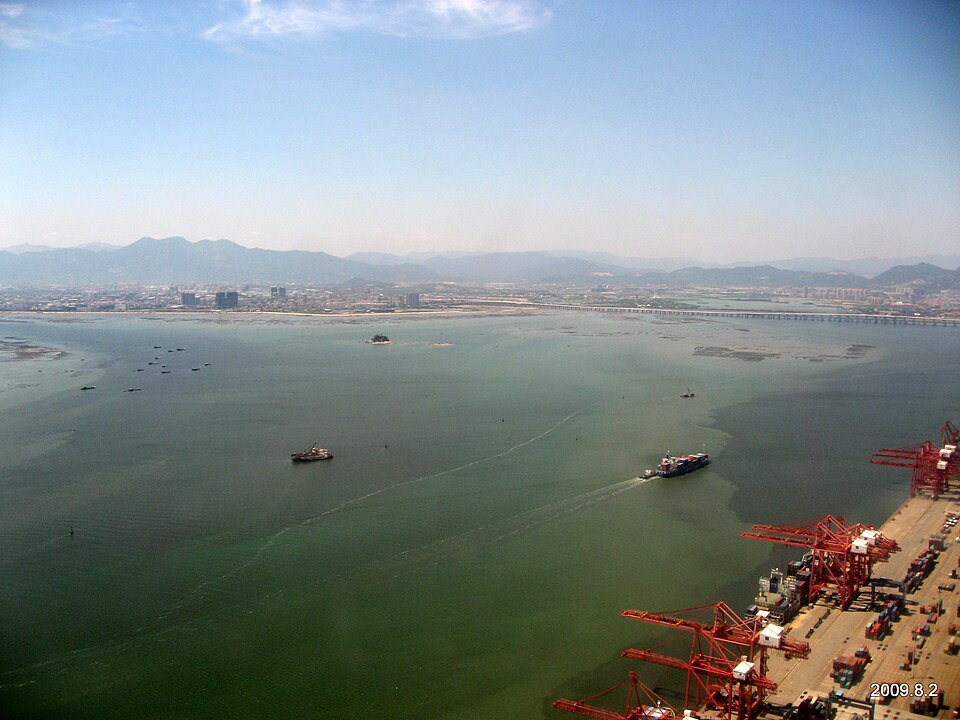
An aerial view of container terminals in Xiamen; not the reported COFCO shipment.
Further reading
Researched and written with AI assistance; references are listed for verification.