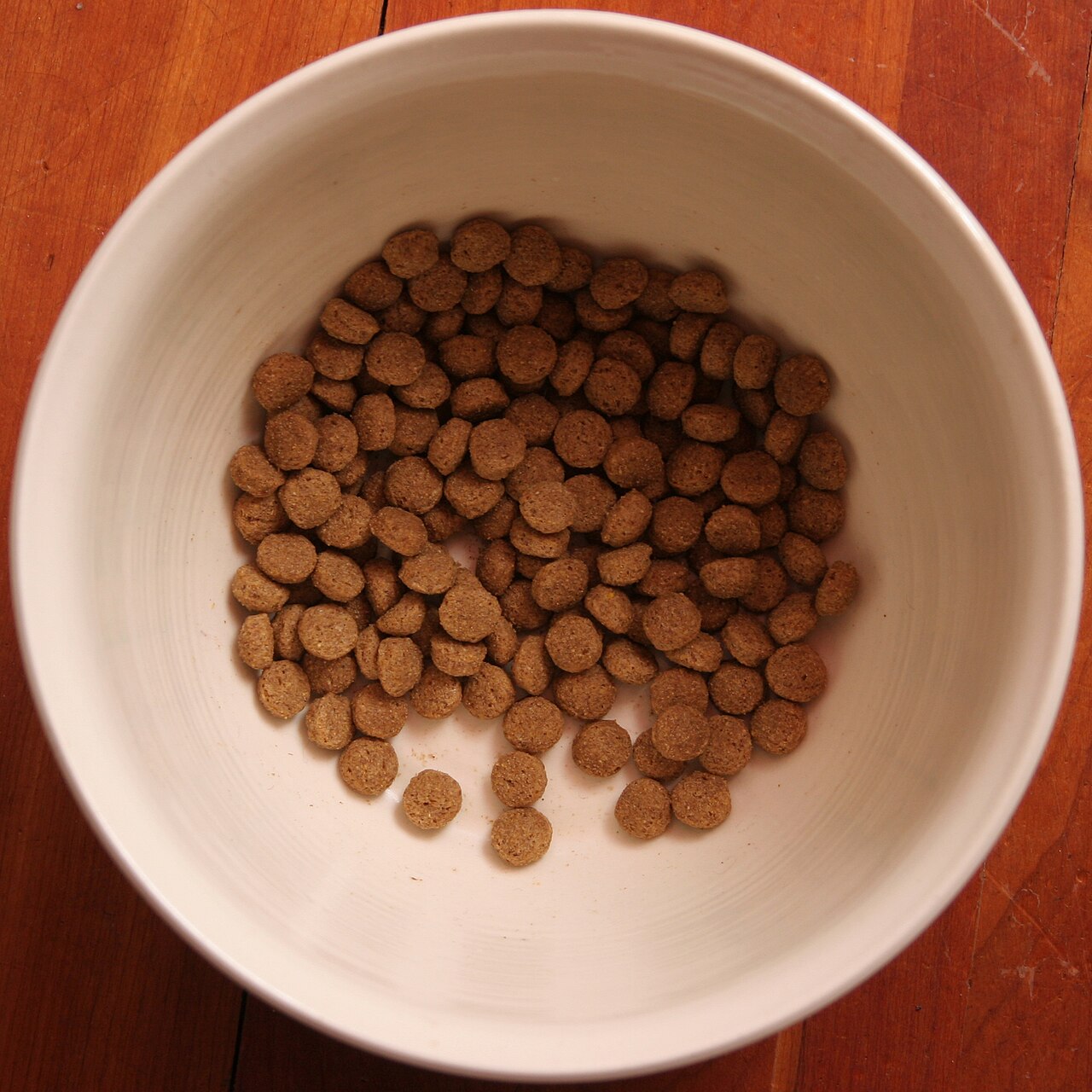
For dry-kibble manufacturers, water activity (aw) helps explain whether water in a product is available to support microbial growth and how moisture may affect texture and storage stability. It complements moisture-content testing; it does not replace pathogen controls or establish a universal target for every kibble.
Water activity is not moisture content
Moisture content measures how much water a product contains. Water activity describes the water’s thermodynamic state, measured through the equilibrium vapour pressure above the product relative to that above pure water at the same temperature. The two measurements are related, but the relationship depends on the product’s formulation. As a result, similar moisture percentages do not necessarily mean similar aw values. (Neutec; Novasina)
That distinction matters when ingredients or formulations change. A moisture specification that has worked for one formula may not predict aw reliably after a change in the product’s composition. Pet Food Processing’s 2020 reporting on moisture management described manufacturers using aw checks to identify variability in ingredients and finished product. (Pet Food Processing)
Use a product-specific range, not a borrowed number
There is no single aw target in the supplied evidence that applies to all dry kibble. Product composition and desired texture and shelf life differ, so manufacturers should establish an appropriate range for their own formula and process. Neutec’s technical paper describes using aw alongside other factors to assess product stability; its examples of measured pet foods also show that values vary by product. Those examples are illustrative, not specifications to copy. (Neutec)
The practical aim is not simply to drive aw as low as possible. An out-of-range result in either direction can warrant investigation: a higher reading may indicate a moisture-control or storage issue, while excessive drying may affect product quality. The appropriate limits need to be determined for the specific kibble rather than inferred from another product or a supplier’s general example.
Apply aw checks to production and storage questions
Manufacturers can use aw measurements to help answer operational questions such as:
- Is finished product consistent? Compare results with the range established for that formula and investigate deviations alongside process and ingredient records.
- Could ingredients be contributing to variation? Changes in incoming materials may affect the relationship between moisture content and aw. Pet Food Processing reported that some manufacturers check incoming ingredients as part of their moisture-management approach. (Pet Food Processing)
- Could the product take up moisture in storage? At equilibrium, aw is related to the relative humidity of the surrounding air. If the product and environment are out of balance, moisture may move between them; packaging and storage conditions affect how this plays out over time. (Novasina; Engormix)
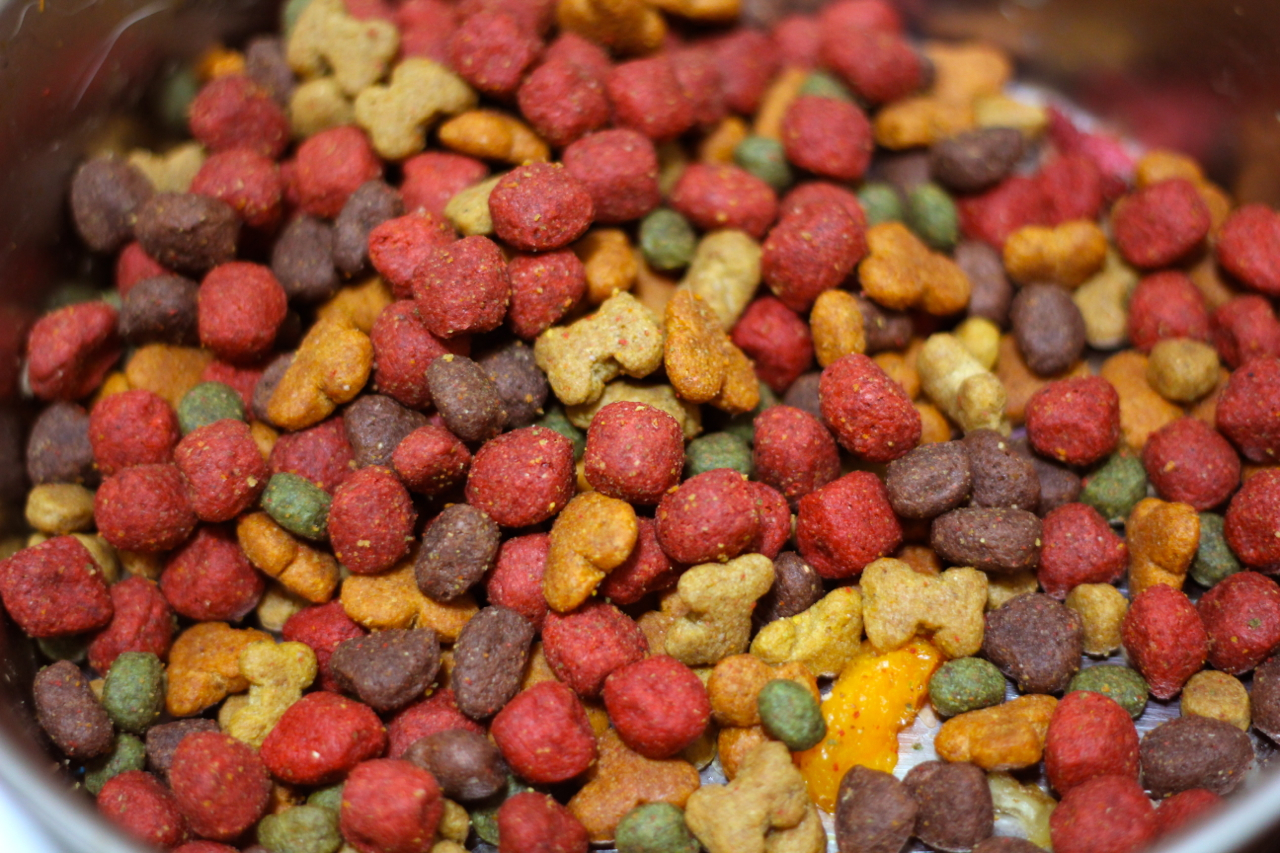
- Could components in a mixed product change texture? Components with different aw values can exchange moisture. The resulting change may affect crispness or softness, so a mixed product should be assessed as a system, not only by testing one component. (Engormix)
For comparisons to be meaningful, measurements should be made under consistent conditions. Water activity is defined relative to vapour pressure at the same temperature, so temperature differences can complicate comparisons between results. (Neutec)
A low reading does not prove pathogens are absent
Low aw can limit microbial growth, but it does not necessarily kill microorganisms already present. Novasina’s overview specifically distinguishes limiting growth from eliminating a pathogen. Manufacturers should therefore treat aw as one part of product control—not as a substitute for appropriate lethality, sanitation, or contamination-prevention measures. (Novasina)
Aw is also not a complete measure of shelf life. Neutec’s technical paper notes that lipid oxidation can remain a quality concern at low aw. Dry-kibble storage decisions may therefore also need to consider oxygen exposure and packaging, rather than assuming that a lower aw alone guarantees longer-lasting product quality. (Neutec)
What the measurement can—and cannot—tell you
For dry kibble, aw is useful for checking product consistency, investigating moisture-related changes and informing storage and packaging assessments. Its value is greatest when interpreted against a product-specific range and alongside other relevant controls and quality checks. A single aw result cannot, on its own, establish that a product is free of pathogens or predict every cause of shelf-life failure.
Further reading
- WATER ACTIVITY IN PET FOOD: SAFETY, SHELF LIFE, PALATABILITY, TEXTURE AND YIELD - Novasina
- Is Water Activity the most important Pet Food Specification? - Neutec
- Water activity for controlling the stability of pet foods | Engormix
- The science behind managing moisture, water activity | 2020-11-19 | Pet Food Processing
Researched and written with AI assistance; references are listed for verification.