US commercial shelled peanut inventories reached 627.7 million pounds at the end of October, up from 595.5 million a year earlier, according to the USDA’s 25 November Peanut Stocks and Processing report. Total stocks expressed on a farmer-stock-equivalent basis moved in the opposite direction, down from about 4.70 billion to 4.44 billion pounds.
The series cover different things. The farmer-stock equivalent combines farmer stock, in-shell roasting stock and a converted shelled quantity. The shelled total itself includes edible grades, oil stock and untreated seed. The counts exclude stock held on farms. The split is useful for understanding what sits in commercial storage, while grade-level supply needs a more specific check.
Quote a defined kernel grade
For peanut butter, confectionery or roasted snacks, start by asking for the relevant type, kernel size, crop year and allowable share of splits. Request the available volume of that grade and whether the seller’s offer covers raw, blanched or roasted product. These formats have different processing and packing requirements.
Use a representative sample and ask for the lot details and documentation required by the buyer’s destination market. For programmes buying several months at a time, separate volume the seller can release immediately from volume expected after shelling. That helps a purchaser use the stock report as background while reviewing what is actually available to buy.
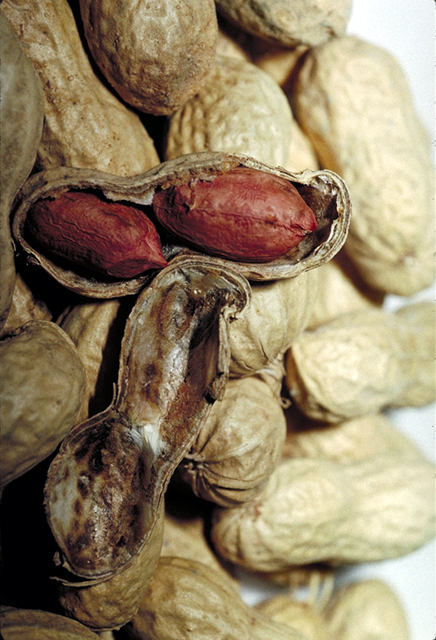
A cracked peanut shell shows the kernels buyers grade after shelling.
Further reading
Researched and written with AI assistance; references are listed for verification.
Browse suppliers for shelled peanut kernels on Made-in-China.com
Explore nuts & seeds