Roquette introduced WELLENCE GF 1229 on 27 October and scheduled an industry presentation during Fi Europe in Frankfurt on 17–19 November. The company describes the cellulosic hydrocolloid as an option for gluten-free loaves, rolls, bagels and pizza dough.
Roquette reported a 23% increase in bread volume relative to a market benchmark in its own application trials. It also reported approximately 50% lower instrumental hardness after 21 days. These figures reflect the supplier’s comparison under its trial conditions. A baker using a different flour blend, package or shelf-life target may observe different results.
Choose a measurable bakery comparison
For a factory trial, keep the current recipe as a reference and record the process used for each batch. Slice height and crumb structure can be compared on the day of production, then softness can be checked at points that match the product’s actual distribution cycle.
The commercial discussion should include the specified grade, its technical documentation and the cost per acceptable finished unit. Ingredient price alone misses yield, rejects and packaging effects. The announcement lays out Roquette’s intended applications and benchmark results. The next decision rests on a comparison designed for the buyer’s own product and line.
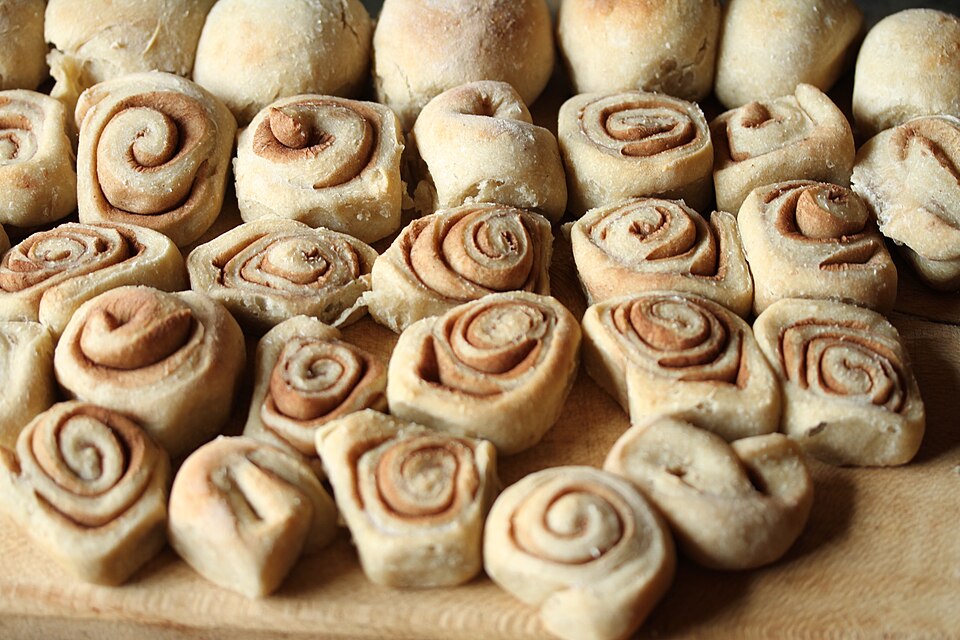
Gluten-free bakery products illustrating the application, with no Roquette trial material depicted.
Further reading
Researched and written with AI assistance; references are listed for verification.
Browse suppliers for food additives on Made-in-China.com
Explore food additives