Mizkan scheduled a new Japanese advertising campaign for its Kantansu seasoned vinegar to begin on 27 November. The featured dish uses the vinegar in a pork and vegetable stir-fry, alongside soy sauce and garlic. Mizkan’s product information also presents Kantansu for sweet vinegar pickles, sushi rice, marinades and other cold or cooked dishes.
The announcement is a campaign for an existing seasoning. It puts a hot application in front of shoppers who may normally use vinegar straight from the bottle or in a dressing. For a buyer considering a similar product, cooking and uncooked uses need separate sample reviews because heat and other ingredients change the balance of the finished dish.
Compare flavour at the serving point
First check whether the quote covers plain vinegar or a seasoning blend. Request the ingredient list and the declared acidity, then compare sweetness and salt alongside acidity in the completed recipe. If the product will be reduced into a pan sauce, assess the result after cooking and a brief hold before service. A direct taste from the bottle answers a different question.
For retail, ask the supplier which uses are shown on the label and whether the English directions match the formula being offered. For foodservice, record the amount used per portion during the test. That provides a basis for comparing two offers with different pack sizes and concentrations.
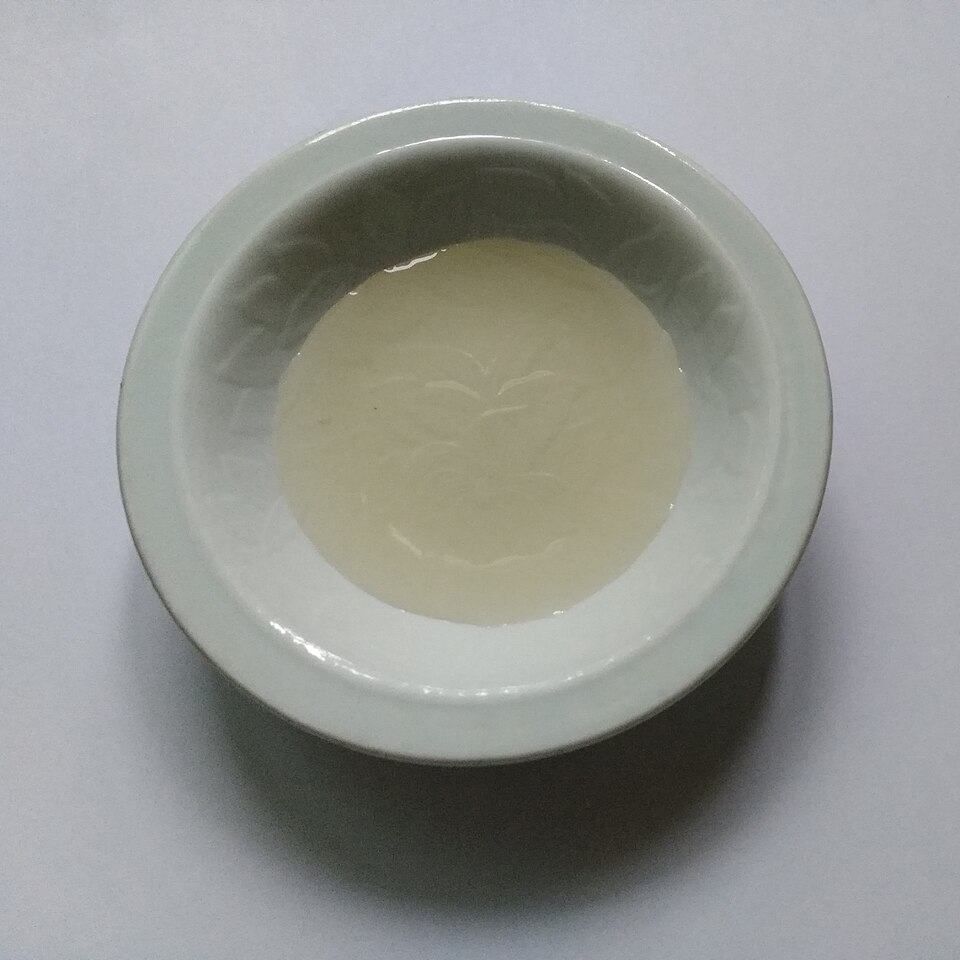
Rice vinegar is shown as a category example. Formulated cooking vinegars vary in acidity and seasoning.
Further reading
- Mizkan, Kantansu campaign announcement, 27 November 2026
- Mizkan, Kantansu product specifications and uses
Researched and written with AI assistance; references are listed for verification.
Browse suppliers for seasoned cooking vinegar on Made-in-China.com
Explore condiments & seasonings