The International Olive Council forecasts world olive oil production at about 3.74 million tonnes in 2026/27, up 6.4% from the previous crop year. The November estimate draws on submissions from producing countries. The European Union is forecast to account for just under 2.4 million tonnes, with Spain alone projected at 1.60 million tonnes.
The council also expects world consumption to increase slightly to about 3.42 million tonnes, while its estimate for international imports is lower than the previous crop year. Production and trade figures capture different flows. Each supplier still has its own stock, grade mix and contract commitments, which determine what a particular buyer can order.
Compare like grades from the same crop year
A bottler assessing offers should start with the grade, origin declaration and crop or production date. Ask for the lot analysis and sample that correspond to the offer. For extra virgin oil, evaluate the sensory profile under consistent conditions so a change of region or blend can be judged against the existing product.
For a retail pack, confirm the bottling plan, closure and minimum shelf life at delivery. For liquid bulk, agree on the receiving documents and how the supplier will identify the lot throughout transport. A crop recovery may give buyers more scope to ask for competing offers, while these checks tie each offer to a specific product.
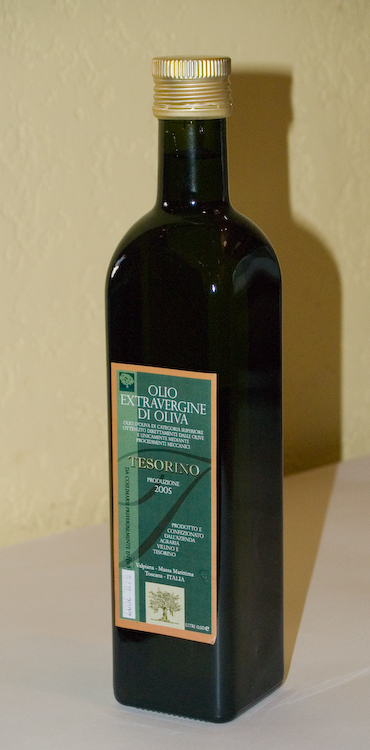
A dark glass olive oil bottle illustrates one retail packaging format.
Further reading
Researched and written with AI assistance; references are listed for verification.
Browse suppliers for extra virgin olive oil on Made-in-China.com
Explore food ingredients