International wheat quotations declined in October after four monthly increases, according to FAO’s 6 November market release. For flour buyers, the accompanying trade outlook adds an important qualification: falling quotations are occurring alongside an expected reduction in cross-border wheat shipments.
FAO attributed the wheat price movement to weaker international demand and a better production outlook, particularly in Argentina. Expectations of fewer constraints on Black Sea exports also weighed on quotations, although continuing logistical disruption limited the decline. Its broader cereal price index fell 4.5% from September; that percentage covers the cereal basket, rather than wheat alone.
The shipment outlook moves differently
The Cereal Supply and Demand Brief, released on the same day, forecasts an 8.6% contraction in world wheat trade in 2026/27. FAO links the projected decline to supply or logistical constraints affecting major exporters.
Its balance sheet also places some rising wheat inventories in Russia and Ukraine, where export disruption can leave grain accumulating upstream. A larger stock figure therefore needs to be read alongside its location and ability to move.
| November assessment | Measure |
|---|---|
| October cereal price index | Down 4.5% month on month |
| World wheat trade, 2026/27 | Forecast to fall 8.6% |
| World cereal trade, 2026/27 | Forecast to fall 3.3% |
These are different measures and periods. The monthly price change should not be read as a forecast of the change in delivered flour prices.
What belongs in the next flour quotation
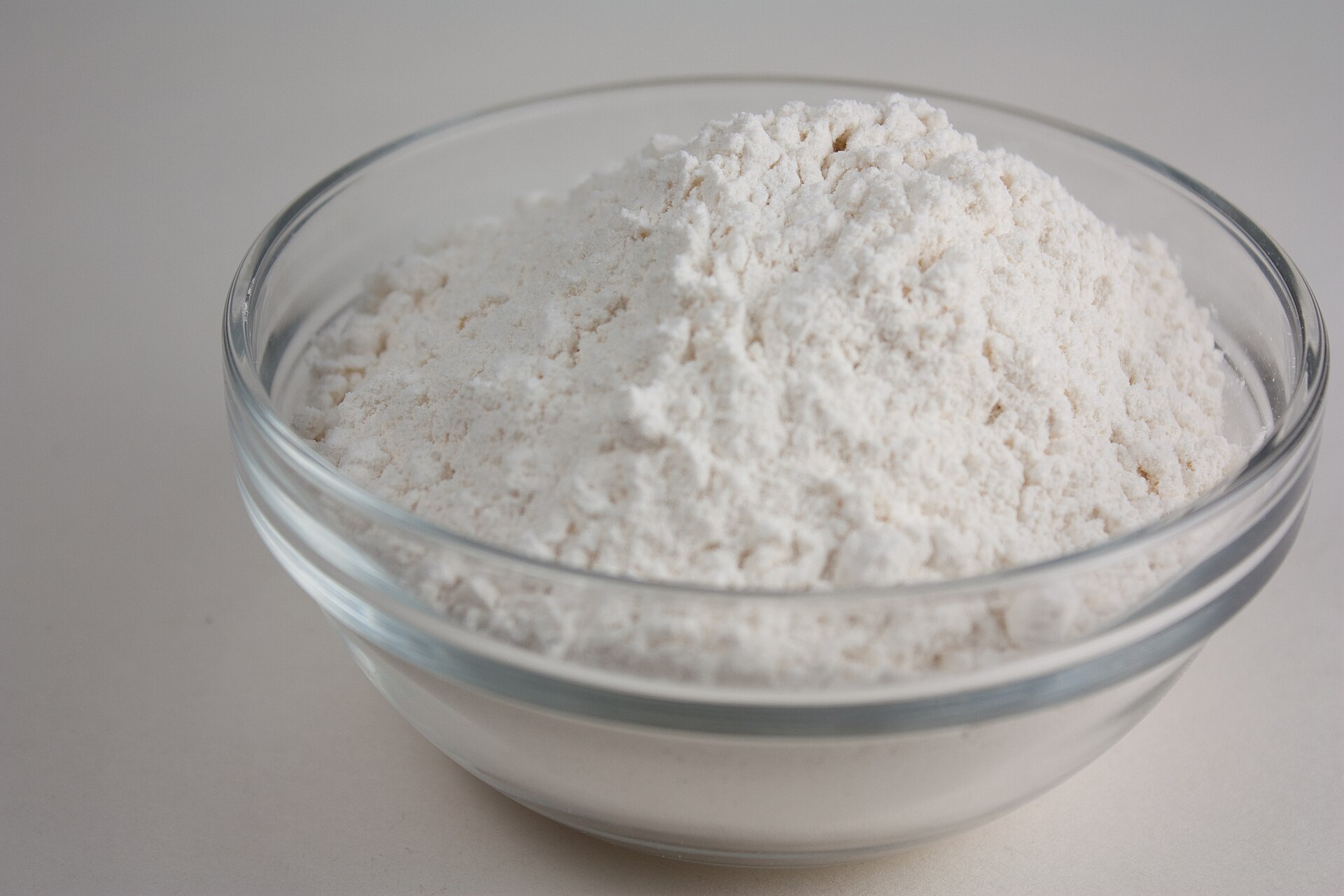
For a mill or food manufacturer, our reading is that the update strengthens the case for comparing a complete delivered specification. Ask suppliers to identify the wheat origin or blend, flour specification, available volume, shipment window and freight basis alongside the quoted price.
That comparison can reveal whether a lower offer represents the same material and delivery commitment. An attractive international benchmark does not, by itself, confirm that a particular grade is available for the required production date. FAO’s next announced Food Outlook release is scheduled for 19 November, providing another point at which to reassess the market assumptions.
Further reading
- FAO — October food commodity prices, released 6 November 2026
- FAO — Cereal Supply and Demand Brief, 6 November 2026
Researched and written with AI assistance; references are listed for verification.