Since 1 July 2026, EU Listeria rules follow ready-to-eat foods through their whole shelf life. Commission Regulation (EU) 2024/2895 amended the microbiological criteria in Regulation (EC) No 2073/2005 so that the strictest Listeria monocytogenes criterion no longer stops applying when a product leaves the producer’s premises. For buyers of frozen ready-to-eat products and frozen vegetables, the change moves one question to the centre of supplier approval: can this producer demonstrate, with evidence, that Listeria will not exceed 100 cfu/g at any point up to the end of shelf life? This guide explains the two criteria, why frozen products are in scope, and what to add to your audit file. It is deliberately limited to frozen ready-to-eat products and frozen vegetables; it is not a summary of the criteria for frozen food in general.
What changed on 1 July 2026
Under the previous text of Regulation (EC) No 2073/2005, ready-to-eat foods able to support the growth of Listeria monocytogenes had to show absence of the organism in 25 g before the food left the immediate control of the producing food business operator, where that operator could not demonstrate that the level would not exceed 100 cfu/g throughout shelf life. Once the food had left the producer’s control, however, the regulation provided no criterion for the situation in which that demonstration still could not be made. Regulation (EU) 2024/2895 closed that gap: the “not detected in 25 g” criterion now applies in all situations where those foods are placed on the market during their shelf life and the producer has not been able to demonstrate the 100 cfu/g limit to the satisfaction of the competent authority. The regulation applies from 1 July 2026. (EUR-Lex)
The practical meaning for a buyer is that responsibility no longer dilutes along the chain. A consignment can be challenged at any point during its shelf life — at import, in distribution, at retail — against the criterion that matches the producer’s evidence, or lack of it.
The two criteria, side by side
Entry 1.2 of Annex I to Regulation (EC) No 2073/2005, as amended, now sets two sampling plans for ready-to-eat foods able to support the growth of Listeria monocytogenes (other than foods for infants and for special medical purposes), both applying to products placed on the market during their shelf life:
| Producer’s position | Criterion | Sampling plan | Reference method |
|---|---|---|---|
| Able to demonstrate, to the competent authority’s satisfaction, that Listeria will not exceed 100 cfu/g throughout shelf life | 100 cfu/g | n = 5, c = 0 | EN/ISO 11290-2 |
| Not able to demonstrate that | Not detected in 25 g | n = 5, c = 0 | EN/ISO 11290-1 |
Everything in supplier verification follows from which row a producer sits in. A producer in the first row is working to a numerical limit supported by shelf-life evidence. A producer in the second row must keep the organism undetectable in 25 g for the entire shelf life — a materially stricter operating standard that has to be visible in their environmental monitoring and finished-product testing, not just asserted in a specification sheet.
Why frozen products are in scope
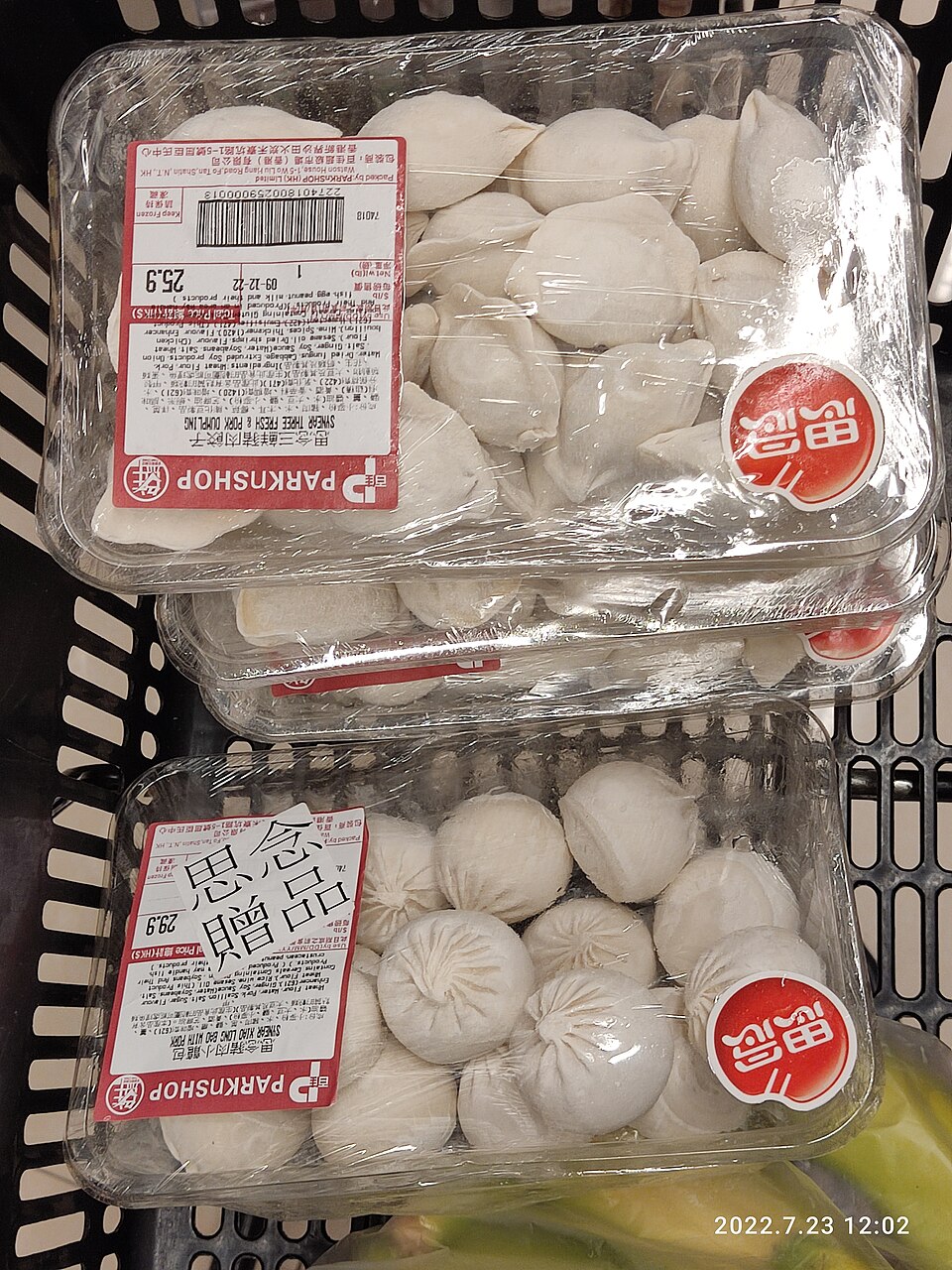
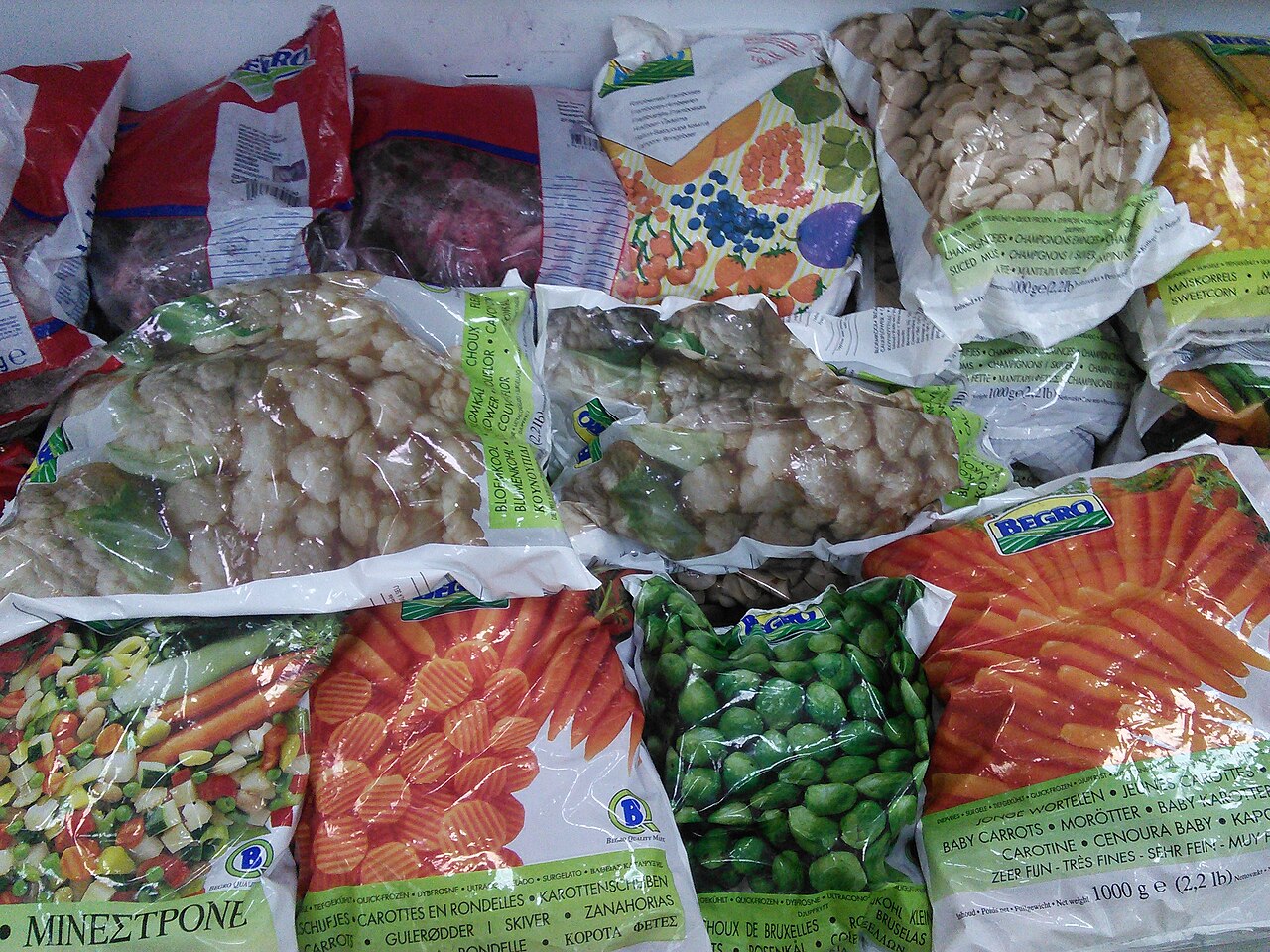
Freezing suspends growth; it does not remove Listeria from a product, and the shelf life of a frozen ready-to-eat product includes what happens after thawing, under the storage and use conditions on the label. Frozen vegetables raise the same issue from the buyer’s side: some are cooked before eating, but others are used by caterers and consumers in salads, smoothies and ready meals without a cooking step that would eliminate the organism. The regulation’s test is whether the food is ready-to-eat and able to support growth of Listeria monocytogenes — so for each frozen line you buy, the relevant questions are how the product is intended and reasonably expected to be used, and whether the producer’s shelf-life assessment covers the thawed state and the full labelled shelf life. Ask those questions explicitly; a supplier who has only ever tested product in its frozen state has not addressed the criterion that now applies throughout shelf life.
Evidence to request at audit
For frozen ready-to-eat products and frozen vegetables, add the following to the standard audit file:
- The shelf-life demonstration. The studies or durability evidence the producer relies on to show that 100 cfu/g will not be exceeded throughout shelf life — or a clear statement that no such demonstration exists, which places the product under the “not detected in 25 g” criterion.
- Environmental monitoring records. Listeria control in a freezing plant is primarily an environmental discipline: swab programmes for food-contact and non-food-contact surfaces, trend results, and the corrective actions taken when positives appear.
- Finished-product testing history. Results against the applicable criterion, with the sampling plan (n = 5, c = 0) and reference method identified, over a run of recent production rather than a single favourable week.
- Thaw and use instructions. The labelled storage, thawing and use-by instructions that the shelf-life evidence assumes, so you can confirm your own distribution and customer instructions do not contradict them.
- Change notification. An undertaking to notify changes to formulation, process, freezing or packing that could affect the shelf-life demonstration, since the demonstration belongs to the product and process assessed, not to the factory in general.
Specification and contract updates
Update purchase specifications so they name the criterion that applies to each line, rather than a generic “complies with Regulation (EC) No 2073/2005”. Where a supplier claims the 100 cfu/g row, make delivery of the shelf-life evidence a condition of approval and re-approval. Where the “not detected in 25 g” row applies, align your own incoming-goods testing and retention samples with it, and agree in advance how a positive finding during shelf life — including one arising after the goods have entered distribution — will be handled, costed and communicated.
Buyer checklist
For each frozen ready-to-eat or frozen vegetable line bought for the EU, confirm the following:
- The line has been assessed against entry 1.2: it is ready-to-eat and its ability to support Listeria growth has been addressed by the producer.
- You know which criterion applies — 100 cfu/g with a shelf-life demonstration, or “not detected in 25 g” — and the specification names it.
- The shelf-life demonstration, where claimed, is in your audit file and covers the thawed state and the full labelled shelf life.
- Environmental monitoring records and recent finished-product results (n = 5, c = 0, EN/ISO 11290 methods) have been reviewed, not just requested.
- Labelled thawing and use instructions are consistent with the evidence and with your distribution practice.
- The contract covers notification of process changes and the handling of a positive finding during shelf life.
This guide was prepared by HC Foods Editorial from the regulation cited above. It addresses frozen ready-to-eat products and frozen vegetables only; other food categories carry their own criteria in Regulation (EC) No 2073/2005.
Further reading
Researched and written with AI assistance; references are listed for verification.