The European Commission’s Joint Research Centre described a generally favourable start to the 2026/27 winter crop season in its November MARS Bulletin. The issue covers 1 October through 14 November. It also flags differences across growing areas that may matter to buyers tracking the next harvest.
From 7 to 10 November, temperatures locally reached about minus 8 degrees Celsius in parts of central and eastern Europe, with some risk to late-sown cereals and recently emerged rapeseed. The bulletin said any associated damage was expected to be localised and had yet to be confirmed. It also identified heavy rain that interrupted winter cereal sowing in southern Romania and northern Bulgaria.
Keep the next crop separate from current lots
For a flour buyer, the report is a prompt to ask suppliers where they expect to source grain for the next milling cycle. Track the main growing areas and compare later crop assessments before drawing conclusions about supply or milling quality. Early establishment can vary within an origin, even when the overall crop picture is favourable.
For current purchases, use lot-level results for protein, moisture and tests relevant to the intended flour application. Ask the mill how it will notify customers if its grain mix changes and how it checks that the blend continues to meet the flour specification. These records are what connect an individual delivery to the agreed baking or processing performance.
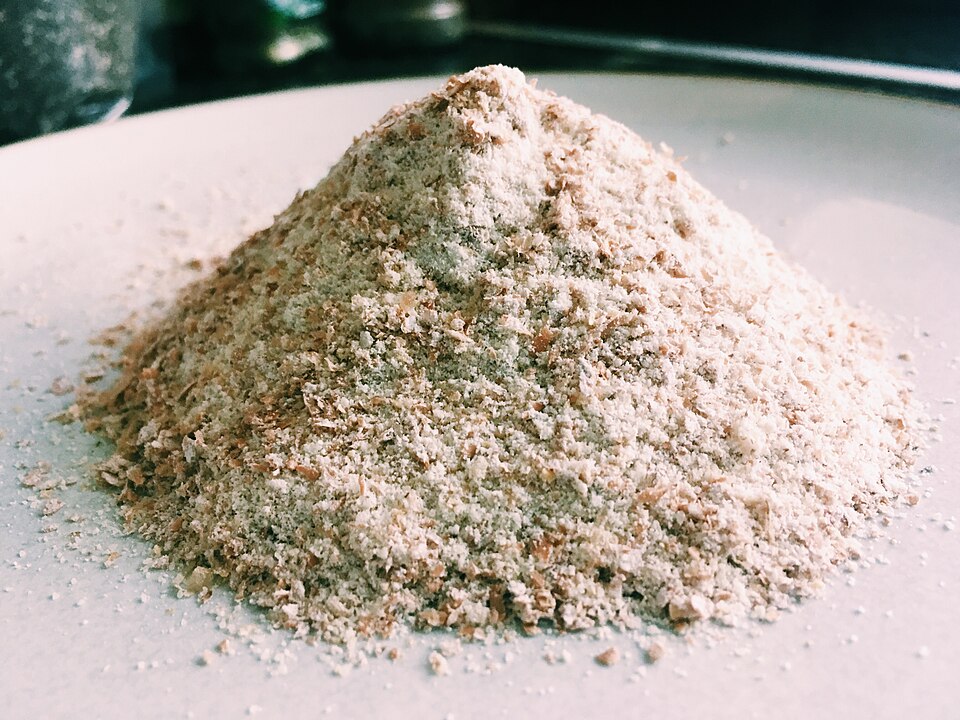
Flour samples are used to assess how grain selection carries through to the mill’s finished product.
Further reading
- European Commission Joint Research Centre, November 2026 MARS Bulletin
- European Commission Joint Research Centre, November crop update
Researched and written with AI assistance; references are listed for verification.
Browse suppliers for wheat flour quality testing equipment on Made-in-China.com
Explore wheat flour & preparations