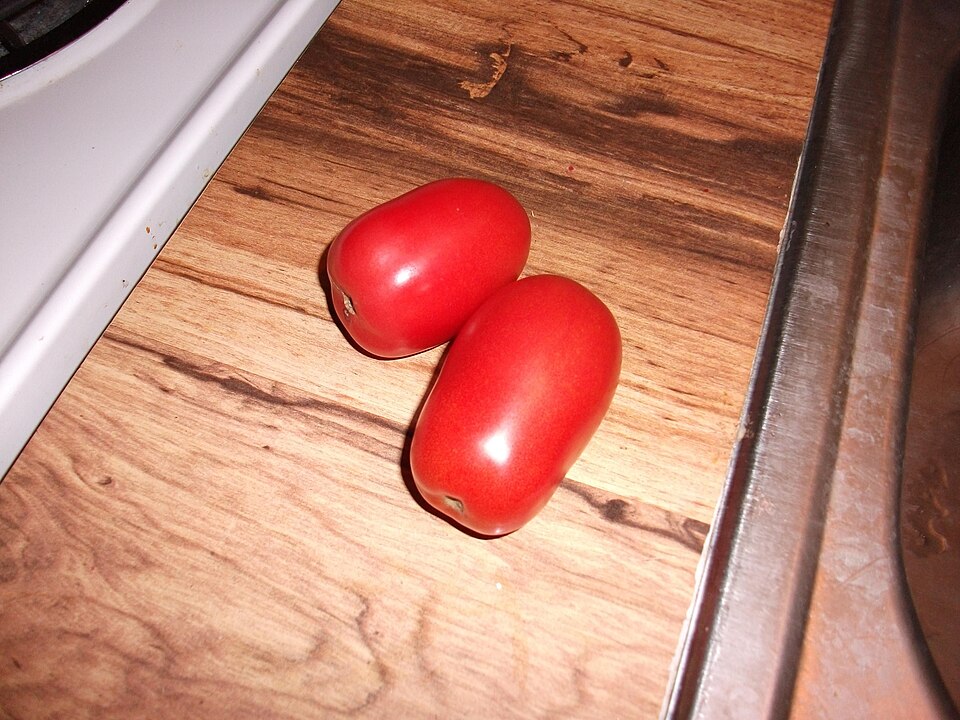
Bayer’s De Ruiter seed brand introduced Solstic, a Roma tomato developed for high-tech greenhouses. The company’s November announcement describes an oval red fruit averaging 90 to 110 grams and a variety intended for both lit and unlit production cycles. It lists loose fruit and truss harvesting as options and offers private demonstrations in Leamington, Canada, and the Netherlands.
Bayer also lists intermediate resistance to tomato brown rugose fruit virus and powdery mildew. Those are supplier specifications and should be read together with the company’s resistance definitions and the greenhouse’s existing crop health practices. The headline fruit weight is a benchmark for the fruit produced in the supplier’s development work.
Trial the harvest format the buyer will accept
A grower considering the seed should start with its intended sales pack. For loose fruit, record the weight spread, defects and pack-out in the desired grade. For a truss pack, also assess how evenly fruit ripens across the cluster and the condition of the stems at the end of the handling trial.
Ask the seed supplier for the recommended growing conditions and the basis for the fruit and resistance specifications. Compare against an existing variety over the same production period. Use the grade and handling requirements of the actual customer so the trial captures the share of fruit the grower can sell, as well as total yield.
Roma tomatoes show the oval fruit shape described in the article.
Further reading
Researched and written with AI assistance; references are listed for verification.
Browse suppliers for greenhouse tomato seeds on Made-in-China.com
Explore protected horticulture