For age-worthy wine, closure selection is a decision about oxygen exposure and consistency—not a simple choice between cork and screw cap. Wineries should compare the closure’s oxygen transmission rate (OTR), bottle-to-bottle variability, compatibility with the wine’s intended development, and the winery’s bottling requirements, while accounting for storage conditions.
Start with the wine’s intended evolution
Oxygen can contribute to changes during bottle aging, but its effects depend on the wine and on how much oxygen it encounters over time. Too much exposure can contribute to oxidation and unwanted aromas; very limited exposure can lead to a different pattern of development. Wine composition and storage conditions also matter, so the closure alone cannot determine how a wine will age. SevenFifty Daily’s review of closure research and a review of wine aging both describe oxygen and closure as parts of a broader aging process.
Before comparing products, define the intended outcome: the expected time in bottle, the style of development the winery wants, and the conditions in which the wine is likely to be stored. Those choices help frame what OTR range and consistency the closure needs to provide.
Compare OTR and consistency—not just closure names
OTR describes how much oxygen passes through a closure over time. A closure category is not necessarily a single performance specification: screw-cap liners, for example, can be designed for different levels of oxygen ingress. The liner is therefore a key part of the comparison, not merely the metal cap. SevenFifty Daily describes liners designed for near-zero ingress and others intended to allow controlled exchange.
Natural cork can provide oxygen transfer, but individual corks vary, which can contribute to differences between bottles of the same wine. Some engineered alternatives are designed to offer more consistent performance or specified OTRs. The relevant question for a winery is not whether a closure has a particular label, but whether the supplier can document the performance and variability of the specific product being considered.
When reviewing technical information, ask for the stated OTR, how it is measured, and how much variation to expect across closures or batches. Compare figures only when the measurement conditions and units are clear. A specification is useful for evaluating closure performance; it is not, by itself, proof of how a particular wine will taste after years in bottle.
Consider the trade-offs among closure types
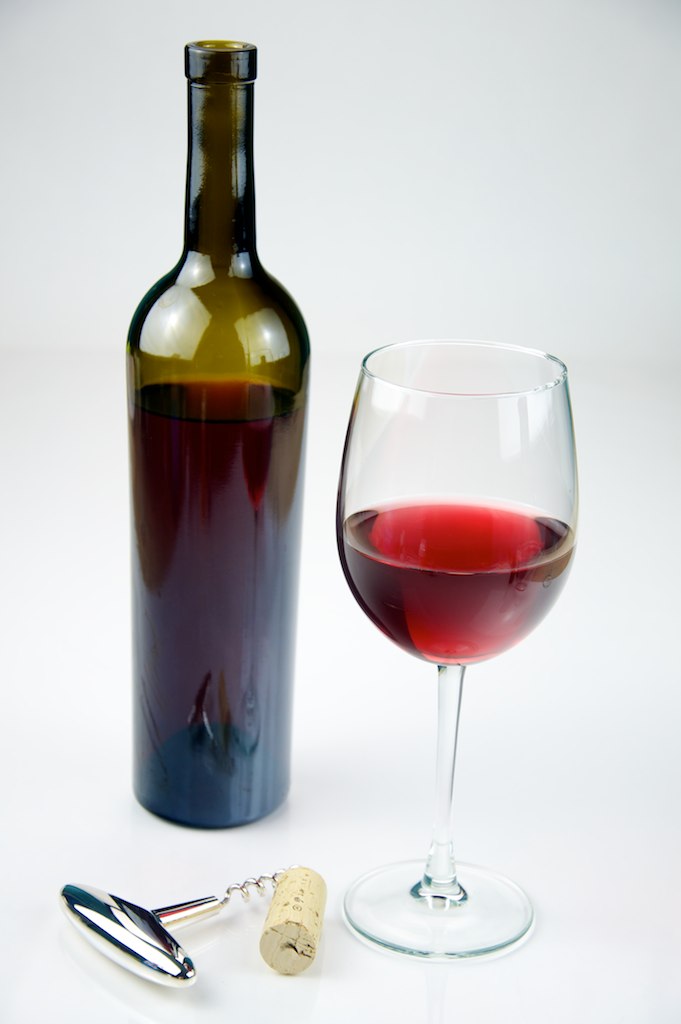
- Natural cork has a long history of use, but its natural variability can mean less uniform oxygen transfer between bottles. Cork taint associated with TCA is another possible closure-related concern. TCA can also originate from winery conditions, so a cork closure is not the only possible source of a musty fault. WineMaker’s closure overview discusses both issues.
- Screw caps offer a choice of liner types with different oxygen-transfer properties. They can support a consistent closure strategy, but a screw cap should not be treated as a single, fixed OTR or as a guarantee against every wine fault. The liner specification matters.
- Synthetic and reconstituted corks can also have product-specific performance. The WineMaker overview describes engineered oxygen-transfer options for some synthetic and micro-agglomerated closures, while noting that products and batches can differ. Wineries should verify the specifications for the exact closure they plan to use rather than generalising from the category.
None of these options is inherently the right choice for every age-worthy wine. A closure should be assessed against the wine’s intended development and the consistency the producer needs.
Include bottling and storage in the decision
A closure is only one part of the bottle’s oxygen environment. Oxygen already present in the wine or bottle headspace, the closure-to-bottle seal, and storage conditions can all affect development. Temperature stability, light, humidity and other storage conditions are also relevant to bottle aging, as described in the wine-aging review.
The winery should also confirm that the chosen closure works with its bottle finish and bottling equipment, and that the closure can be applied consistently. Do not assume that a closure’s laboratory OTR alone describes the performance of the complete bottle-and-closure system.
A practical selection checklist
Before approving a closure for an aging program, wineries can:
- Set out the wine’s intended aging period and desired development.
- Request product-specific OTR information and data on variability.
- Check liner or closure specifications rather than relying on the broad category name.
- Assess closure-to-bottle compatibility and the winery’s application process.
- Consider bottling oxygen and likely storage conditions alongside the closure.
- Evaluate the result in the winery’s own wine before making a broad change.
The most defensible choice is the closure whose documented performance, consistency and practical fit match the wine and its intended aging conditions—not the one with the strongest reputation or the most familiar format.
Further reading
- Finding the Right Closure - WineMakerMag.com
- Wines Aging | Encyclopedia MDPI
- The Science of Aging Wine Under Screw Cap | SevenFifty Daily
Researched and written with AI assistance; references are listed for verification.
Browse suppliers for alcoholic beverages on Made-in-China.com
Explore alcoholic beverages