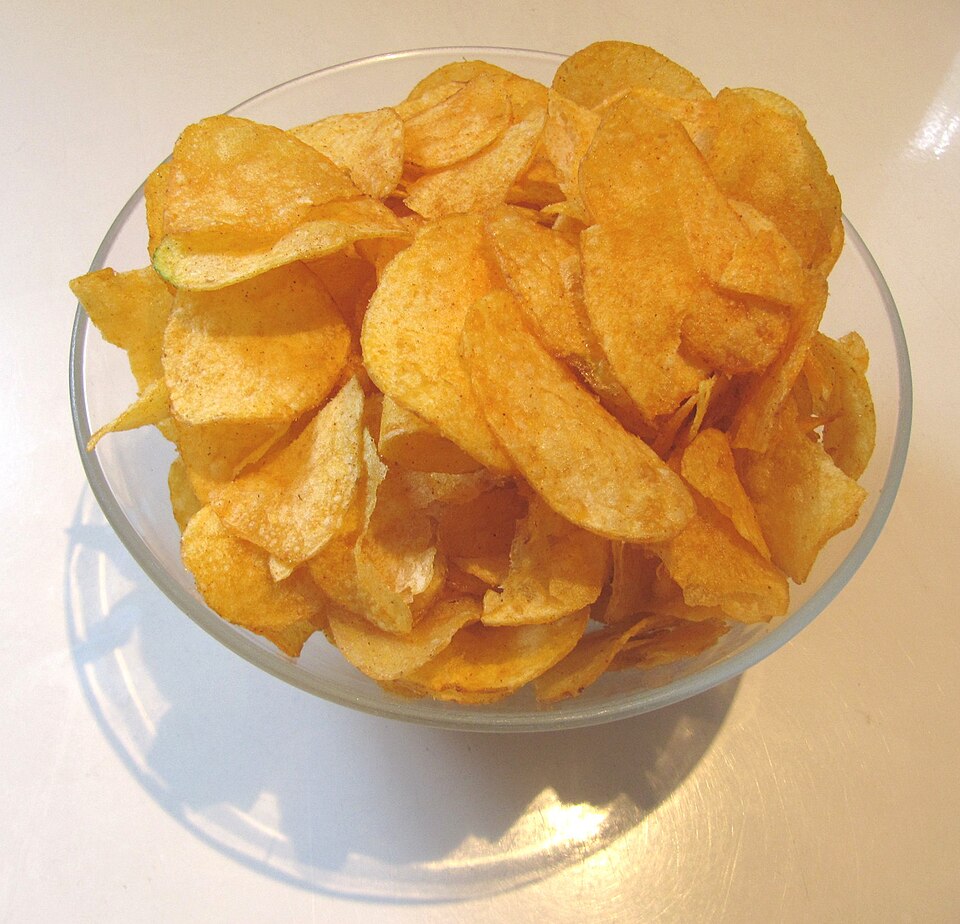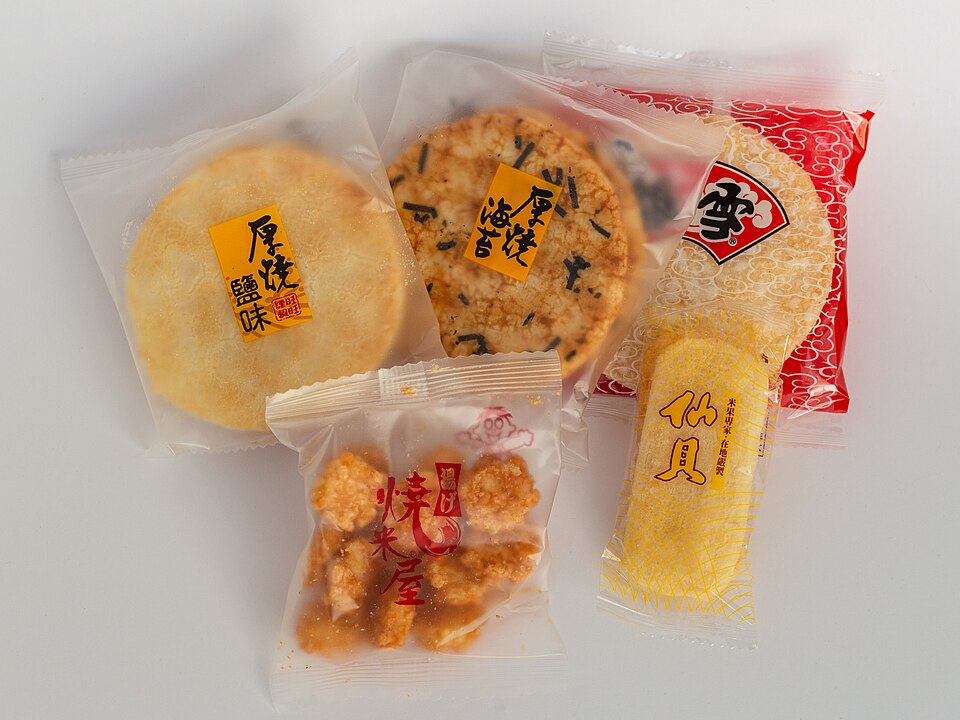
Before approving a snack sample, make sure the written specification identifies the exact product, its ingredients and pack, and the version being reviewed. Then record what the sample confirms—and what still needs to be agreed before production—so a sample approval is not mistaken for approval of every future batch.
Start with the exact product and version
A product name or flavour description alone may not distinguish one supplier’s SKU from another. Ask the supplier to identify the product and connect the sample to a dated specification revision. For a new or customised item, the specification should also record agreed changes from the original product.
Check that it states:
- Product name, SKU or product code, format and flavour.
- The sample’s version and date, and whether it is an existing product, a development sample or intended to represent the proposed production specification.
- Net quantity and the intended unit, such as weight or count.
- The producing facility and the supplier contact responsible for confirming specification changes.
The sample categories and the limits of what each can demonstrate are explained in this packaging sample guide. Although that guide concerns packaging, its practical distinction applies here: an existing sample may not reflect a buyer’s customised product or final specification. A sample label or accompanying record can help prevent approval of the wrong version.
Check the food specification, not just the tasting sample
Review the written product details against the sample and your buying brief. For a snack, the specification may need to cover:
| Check | What to confirm in writing |
|---|---|
| Product identity | Format, flavour, shape or size where relevant, and the intended product code |
| Ingredients | Current ingredient list and any agreed exclusions or substitutions |
| Allergens | The supplier’s ingredient and allergen information for this specific product |
| Sensory reference | Agreed characteristics such as appearance, aroma, flavour and texture, described clearly enough to compare |
| Quantity | Net quantity per consumer pack and the unit in which it is expressed |
| Preparation or use | Any preparation, serving or handling details needed for the intended product and channel |
| Changes | Which formula or specification changes require the buyer’s written agreement |
Do not treat a verbal description such as “same taste” or “premium ingredients” as a measurable specification. Where an attribute matters to the purchase, describe how it will be identified or agreed. A general product specification guide similarly recommends defining the product and its acceptance criteria rather than relying on vague quality terms (Tonlexing’s supplier specification guide).
Ingredient and allergen information should match the exact SKU being sampled. If the product is intended for a particular market, have the responsible importer or qualified adviser review the label and supporting product information against that market’s requirements before commercial artwork is approved. This guide does not establish that a product or label complies in any jurisdiction.
Make the packaging part of the approval
A snack sample may arrive in a temporary pack that differs from the intended retail package. Ask the supplier to identify whether the sample pack is representative, and review the proposed package separately if it is not.
Record the relevant pack details, such as:
- Pack type, dimensions and net quantity.
- Closure or opening features and any agreed resealing function.
- Printed artwork version, language and date or lot coding area.
- Units per inner or outer carton, if applicable.
- Storage and handling statements proposed for the product.
- Packaging material specifications and any product-specific documentation the importer requires.
Appearance alone cannot establish a packaging material’s technical suitability. Where food-contact or other technical requirements matter, request the relevant information for the actual material and intended use, then arrange destination-market review as needed. A packaging specification guide recommends controlling packaging details alongside the product revision, artwork and approval records (Oceanport Link’s packaging specification guide). It is guidance, not evidence that any particular supplier’s material meets a requirement.
Clarify batch, dating and storage details
Before approval, agree how the commercial product will be identified and how its dating information will be presented. Ask the supplier to confirm, for the proposed product and pack:
- What lot or batch identifier will appear, and where it will be placed.
- How production and date information will be coded.
- The stated storage conditions and the supplier’s basis for the stated shelf life.
- The production-date information that can be provided for a shipment.
- The minimum remaining shelf life you require on arrival, if your purchase terms set one.
Do not infer a shelf life for commercial production from a sample alone. Record the supplier’s stated information and agree which documents or shipment details will be used to check it. A Chinese snack sourcing guide also recommends assessing shelf life in relation to storage, transit time and remaining life at arrival, and checking documents for the exact SKU and producing facility (J-Origin’s B2B sourcing guide).
Record what the sample actually proves
Inspect the sample against the written specification rather than approving it on general impression. Record the sample code, date received and version. Note appearance, aroma, flavour, texture, pack condition and any deviations that matter to your brief. If the sample cannot establish a point—such as the final printed pack or the coding used on commercial batches—list that as an open item.
A useful approval record should say:
- Which product and specification revision were reviewed.
- Which sample version was examined.
- What matched the brief and what did not.
- Which changes the supplier must make, if any.
- What remains unconfirmed before production.
- Who approved the sample and when.
The sample is a reference for agreed requirements; it does not by itself show that every production unit will match it. Keep the approved record and, where practical, a clearly identified reference sample. If the formula, pack, artwork or other agreed detail changes, require a revised document and approval rather than relying on an informal message.
Use a short pre-approval checklist
Before sending approval, confirm that you have:
- The exact product identity and current specification revision.
- Ingredient and allergen information for the sampled SKU.
- Agreed product attributes and any required exclusions.
- The sample type and what it represents.
- Pack details, artwork version and any open packaging questions.
- Agreed batch coding, storage and shelf-life information.
- A written list of deviations and unresolved points.
- A named approval record tied to the sample version.
If key details are missing, request clarification or a revised sample before treating the specification as approved. Keep the decision limited to the product and version reviewed; confirm commercial production, documents and destination-market requirements separately.
Further reading
- Chinese Snacks & Beverages Wholesale: Private Label | J-Origin
- Product Samples from China: What to Check Before Approval - Prestige Sourcing Group
- Product Specification Sheet for Chinese Suppliers: Guide
- Packaging Sample Approval Checklist | YuTu Packaging
- How to Write a Packaging Specification for Chinese Suppliers
Researched and written with AI assistance; references are listed for verification.
Browse suppliers for snacks on Made-in-China.com
Explore snacks